Screenless Fitness Trackers for Focus

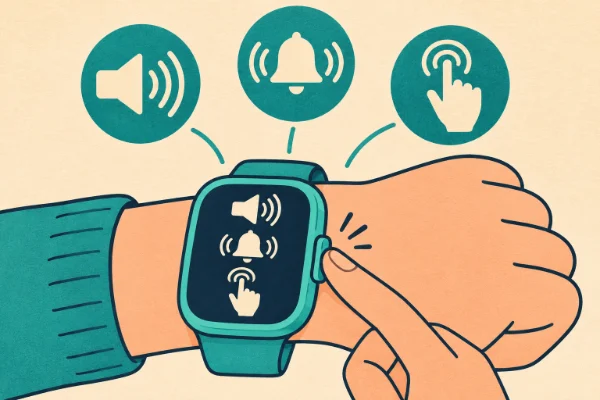
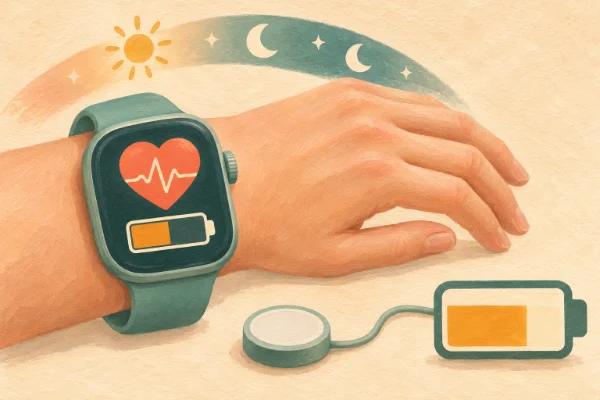
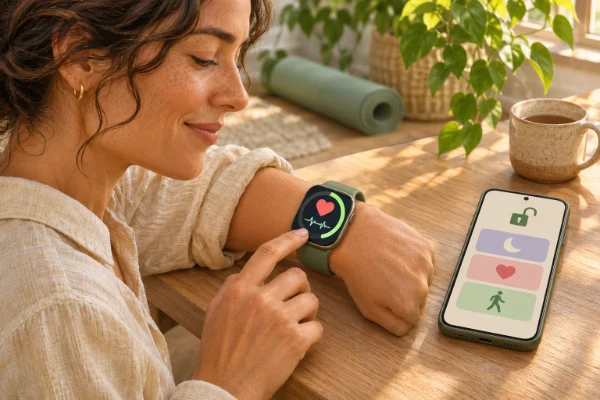
I remember the exact moment I realized my smartwatch was controlling my day rather than supporting it. I was in the middle of a deep conversation with a dear friend, and my wrist vibrated. My eyes instantly darted away from her to a tiny screen. It was just an automated reminder to stand up, but the distraction was complete, and the moment was lost. If you are reading this, you might be experiencing that same digital fatigue. You want to track your movement, sleep, and overall wellness, but you simply do not want another screen demanding your attention. Today, we are exploring the liberating world of screenless fitness trackers. By the end of this guide, you will understand how removing the screen can actually improve your mental focus, and you will learn how to seamlessly integrate these minimalist devices into a less distracting daily routine.
The Philosophy Behind Screen-Free Tracking
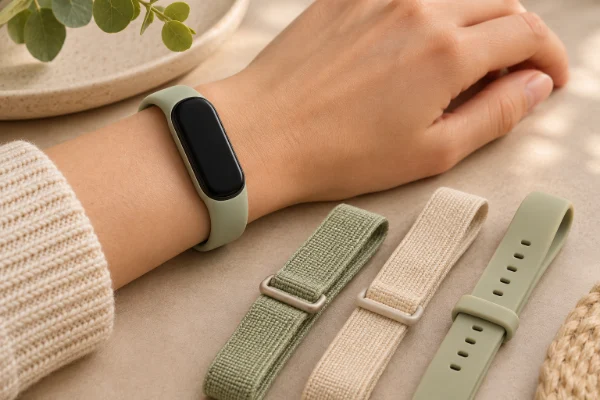
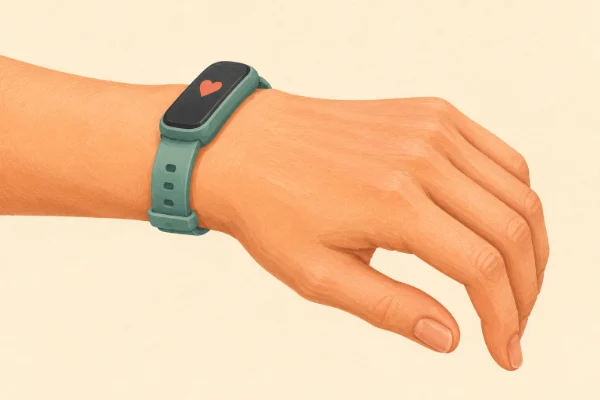
What exactly are screenless fitness trackers? Simply put, they are wearable devices—such as sleek smart rings or smooth fabric bands—that contain advanced biometric sensors but completely lack a digital display. They measure your heart rate, skin temperature, blood oxygen levels, and sleep stages silently in the background. The data is sent via Bluetooth to an app on your smartphone, allowing you to review your health metrics on your own terms.
The philosophy here is intentionality. By removing the screen, you remove the constant feedback loop. You no longer receive a dopamine hit for hitting 10,000 steps, nor do you feel a pang of guilt if you glance at your wrist and see you are falling behind. Instead of your technology interrupting your life to tell you how you are doing, you choose when to interact with your data.
Preparing for a Quieter Routine
Before making the switch from a traditional smartwatch, it is important to set your expectations and gather your context. Transitioning to a screen-free device means you will no longer have on-wrist text message previews, weather updates, or a digital clock. You must be prepared to rely on your phone for those functions. The only physical requirement to get started is a compatible smartphone to view your daily insights. Mentally, the requirement is a willingness to embrace a quieter, less tethered routine where your body's internal cues take precedence over a glowing screen.
How to Embrace Screenless Fitness Trackers
Adapting to invisible tracking takes a few intentional adjustments. Here is a step-by-step guide to making the transition smooth and effective:
- Choose the right form factor: Decide what fits your lifestyle best. A smart ring is excellent for sleep tracking, professional office settings, and formal wear. A sensor strap is often better for combat sports, heavy weightlifting, or those who prefer to keep their fingers free of jewelry.
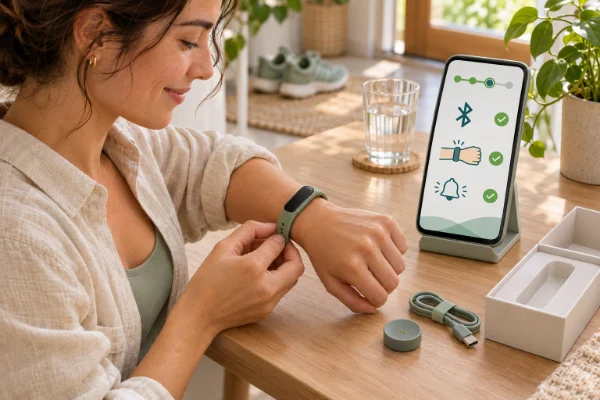
- Establish a daily sync routine: Instead of checking your stats constantly throughout the afternoon, pick one specific time to open the companion app. I recommend doing this during your morning coffee. Review your sleep quality, check your recovery score, and use that information to plan the intensity of your day.
- Adjust your phone's notification settings: Since your wearable will no longer vibrate for every email, ensure your smartphone is optimized. Set up "Focus Modes" or "Do Not Disturb" schedules so you only receive alerts for truly important calls or messages.
- Trust the passive data collection: Let go of the need to manually press "Start" and "Stop" for every walk or yoga session. Most modern screenless fitness trackers are incredibly adept at automatically detecting elevated heart rates and categorizing your workouts accurately in the background.
An Alternative: Phone-Only Tracking
If you are intrigued by less distracting daily use but are not quite ready to invest in a dedicated screenless wearable, there is a free alternative. You can simply use your smartphone's built-in sensors. By keeping your phone in your pocket while you walk or run errands, built-in health apps can track your baseline steps, walking asymmetry, and stair flights. It offers zero wrist distraction and requires zero financial investment, though it will not provide the rich heart rate or sleep data of a dedicated tracker.
My personal tip: When I first switched to a screenless band, I genuinely missed having a quick way to check the time. I solved this by purchasing a beautiful, traditional analog watch and wearing it on my opposite wrist. It gave me the classic, sophisticated aesthetic I loved, allowed me to check the time without getting sucked into a digital screen, and kept my health tracking completely invisible.
How to Know if the Switch is Working for You
How do you measure the success of an invisible device? You will know this minimalist approach is working when your daily anxiety around reaching arbitrary fitness goals begins to fade. Instead of stressing over closing digital rings by 9 PM, you will find yourself moving simply because your body feels stiff and needs a stretch. Another observable indicator is your screen time; without a smartwatch constantly prompting you to pull out your phone to reply to messages or check notifications, your overall daily digital consumption should naturally decrease. You will feel more present in conversations and less hurried in your downtime.
Common Obstacles and Practical Solutions
Disconnecting from the screen can present a few initial hurdles. Here is how to navigate them:
- Obstacle: Missing workout pacing. If you are a runner who relies on seeing your live heart rate zones to pace yourself, a screenless tracker might feel limiting. Solution: Utilize audio cues. Most screen-free companion apps can be configured to announce your pace, distance, and heart rate through your wireless earbuds at specific intervals, keeping your eyes on the road.
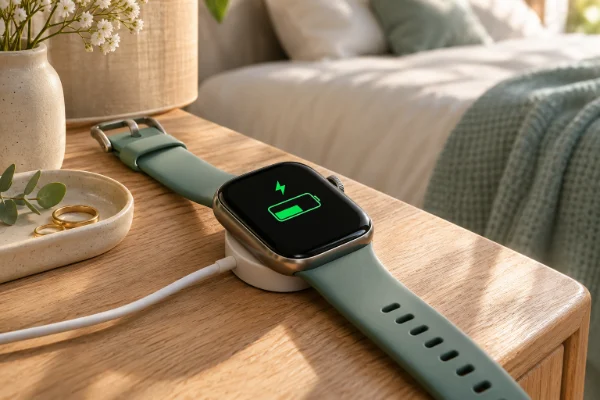
- Obstacle: Forgetting to charge the device. Because you are not interacting with a bright display, it is surprisingly easy to forget that the device eventually needs power. Solution: Build a habit of "snack charging." Because these devices usually lack screens, their batteries last for several days. Keep the charger in your bathroom and plug the tracker in for 20 minutes while you shower and get ready; this is usually enough to keep it perpetually charged.
Adjustments for Your Lifestyle
Adjusting to screenless tracking means leaning heavily into your own intuition. If you are participating in a high-intensity fitness class, you will need to learn to listen to your body's perceived exertion—your breathing rate and muscle fatigue—rather than relying on a visual heart rate graph to tell you when to rest. For practices like yoga, pilates, and meditation, these devices are an absolute dream. They will never light up a dark studio or vibrate during savasana, allowing you to remain completely present and respectful of the space.
Sometimes I have been asked this:
1. Are screenless fitness trackers as accurate as smartwatches?
Yes, and in many cases, they are more accurate. Devices that focus entirely on biometric tracking without the overhead of running a color display often use highly sophisticated, medical-grade sensors. Furthermore, the snug fit of a smart ring often provides a clearer heart rate signal than a loose smartwatch.
2. Can these trackers monitor female menstrual cycles?
Absolutely. Because many screenless trackers are designed to be worn comfortably 24 hours a day, they capture incredibly accurate baseline body temperature data overnight. Their companion apps use these subtle temperature shifts to predict cycle phases and fertile windows with impressive accuracy.
3. Can I wear a screenless tracker in the shower or pool?
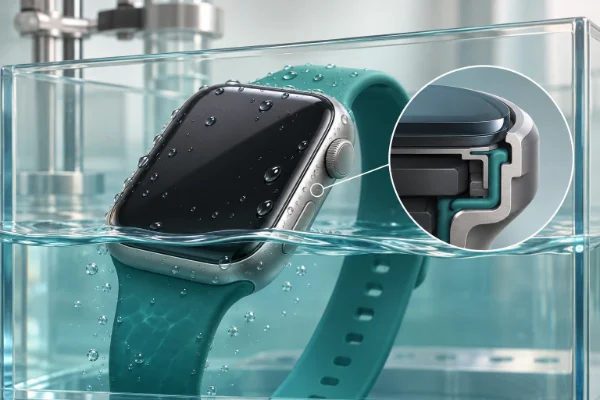
Most high-quality screen-free bands and smart rings are highly water-resistant or fully waterproof, making them perfectly safe for daily showers, washing dishes, and swimming laps. However, always verify the specific ATM rating of your device before taking it scuba diving or into a hot sauna.
4. Do these devices require a monthly subscription?
This depends heavily on the specific brand. Some platforms operate entirely on a subscription model, providing ongoing software analytics, while others charge a single upfront fee for the hardware with no recurring costs. Always check the pricing structure carefully before committing.
5. Will I deeply miss my smartwatch notifications?
You will likely miss them for the first three days as you break the habit of looking at your wrist. However, most women report that after the first week, the absence of constant wrist vibrations feels like a massive relief. It allows for deeper focus at work and more genuine connection at home.
Final Thoughts on a Focused Life
Choosing to disconnect from constant digital feedback is a powerful step toward intentional living. By utilizing screenless fitness trackers, you can still gather the essential data you need to optimize your rest, activity, and overall health, without sacrificing your attention to a tiny glowing rectangle. I encourage you to evaluate how much your current wearable distracts you, and consider whether a quieter, screen-free approach might be exactly what your wellness journey needs right now. Take off the screen, tune into your body, and reclaim your focus.