Health Tracker Materials for Sensitive Skin
When I bought my first wearable, I was thrilled to track my steps and sleep. However, after just a few days of round-the-clock wear, I developed a red, itchy rash right under the band. It was incredibly frustrating, and for a moment, I considered giving up on tracking my health altogether. If you are reading this, you might be experiencing similar discomfort and wondering if wearing tech is even compatible with your body. By the end of this article, you will understand how to choose the best health tracker materials for sensitive skin and learn practical habits for daily wear. You will be fully equipped to monitor your wellness without the dreaded irritation.
Why Your Skin Might Be Reacting
Before we look at new materials, it is helpful to understand why your skin is protesting. Most wearable-related rashes fall into two categories. The first is contact dermatitis, an allergic reaction to specific materials like nickel or certain adhesives used in the device. The second, and much more common, is irritant dermatitis. This happens when sweat, soap, or water gets trapped between the tracker and your skin, causing friction and irritation over time. Identifying which issue you are facing will help you choose the right replacement material.
Evaluating Health Tracker Materials for Sensitive Skin
Let us explore the most common materials used for smartwatch bands and smart rings, focusing on how they interact with sensitive skin throughout the day.
1. Woven Nylon: The Breathable Choice
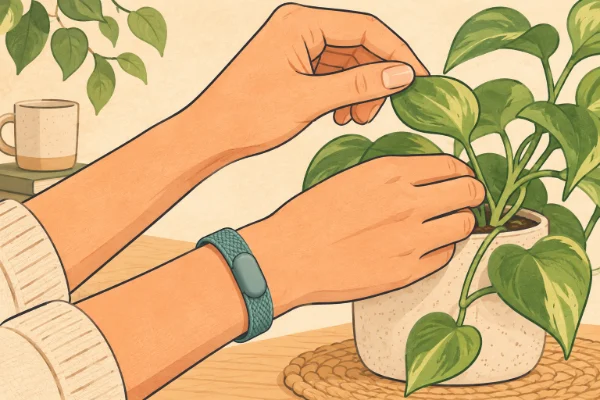
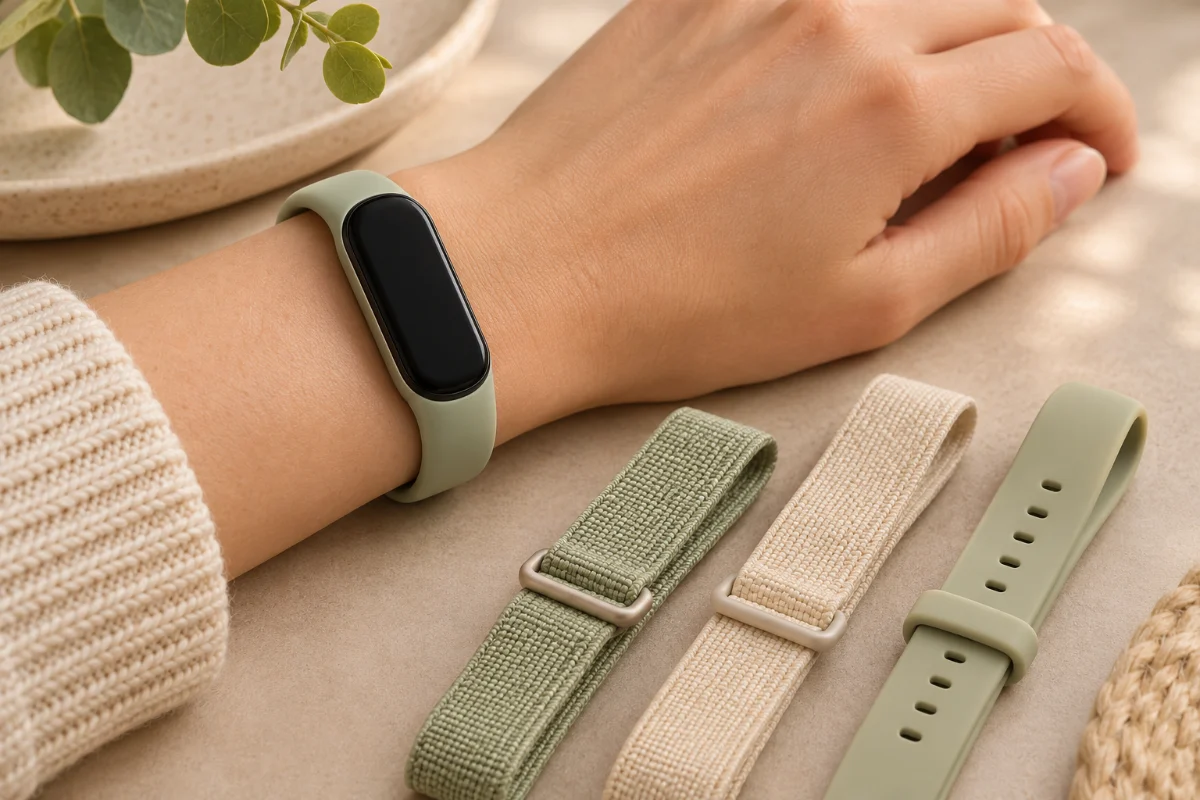
If you suffer from sweat-induced irritation, woven nylon is often the best solution. These bands are soft, flexible, and incredibly breathable. They allow air to circulate around your wrist, preventing moisture buildup during long days at the office. The catch: When nylon gets soaked during an intense workout or a shower, it takes time to dry. Wearing a damp nylon band will almost certainly cause irritation.
2. Silicone and Fluoroelastomer: The Workout Standard
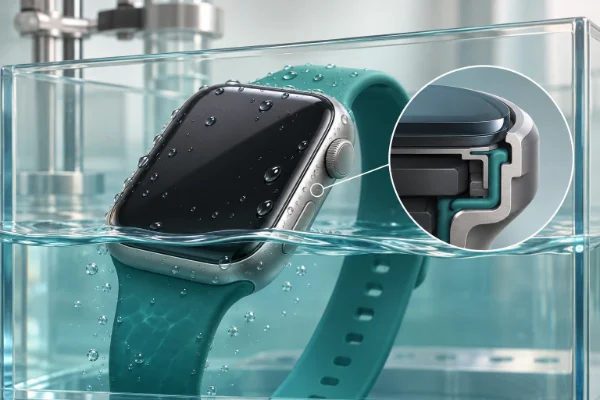
Most trackers come with a silicone or fluoroelastomer band. They are highly durable, easy to wipe clean, and completely waterproof. However, they are not breathable. They act like a seal against your skin, trapping sweat and heat. If you have sensitive skin, wearing a silicone band 24/7 is a recipe for a rash. They are excellent for the hour you spend at the gym, but less ideal for all-day wear.
3. Leather: Elegant but High Maintenance
A high-quality, vegetable-tanned leather band can be wonderfully gentle on the skin and looks professional for daily wear. Leather naturally conforms to your wrist shape over time. However, leather and sweat do not mix. Working out in a leather band will degrade the material and can harbor bacteria, leading to breakouts.
4. Metals: Titanium vs. Stainless Steel
If you prefer metal bands or are considering a smart ring, you must pay attention to the specific metal. Stainless steel is incredibly common but often contains small amounts of nickel, a notorious allergen. If you have a known nickel allergy, avoid stainless steel. Instead, look for titanium. Titanium is exceptionally lightweight and universally hypoallergenic, making it the premier choice for premium health trackers and sensitive skin.
5. Ceramic and Resin
Often used in the inner molding of smart rings or the backing of high-end smartwatches, ceramic and resin are fantastic for sensitive skin. They are smooth, non-porous, and completely hypoallergenic. They do not trap bacteria easily and wipe clean in seconds.
An Alternative Approach: Changing the Form Factor
If you have tried every wristband material and still struggle with irritation, consider changing how you wear your tech entirely. Smart rings are an excellent alternative because they cover far less surface area on your skin and use hypoallergenic titanium or resin. Alternatively, some trackers offer accessories that allow you to clip the device onto your clothing, bra, or shoe, completely eliminating direct skin contact while still tracking your core activity metrics.
My personal tip: I highly recommend the "two-band strategy." Keep the waterproof silicone band that came with your watch strictly for workouts and swimming. As soon as you finish exercising and showering, swap it out for a soft nylon or leather band for the rest of the day and overnight. It takes ten seconds to switch, and it gives your skin the chance to breathe while keeping your data continuous.
How to Know Your Strategy is Working
The proof is in the clarity of your skin. You will know you have found the right material and wearing strategy when you can take off your device at the end of the day and see healthy, normal-colored skin. You should not feel the urge to constantly scratch your wrist, and there should be no raised bumps or peeling. The wearable should feel like a natural, comfortable extension of your body.
Common Obstacles and Solutions
Even with hypoallergenic materials, you might still run into issues. Here is how to handle them:
- Obstacle: The Soap Trap. You wear your tracker in the shower, and a few days later, a rash appears. Solution: Body washes and shampoos get trapped under the band and dry against your skin, causing chemical irritation. Always take your tracker off when bathing. If you must wash it, use a mild, hypoallergenic cleanser, and ensure both the device and your skin are 100% dry before putting it back on.
- Obstacle: Wearing It Too Tight. To get a good heart rate reading, you strap the band down intensely, causing friction burns. Solution: The band should be snug enough not to slide up and down your arm, but loose enough that you can easily slip your index finger underneath it. Give your skin room to move.
Adjustments for Daily Scenarios
Your environment matters just as much as the material. During the hot summer months, your extremities naturally swell, and you will sweat more. Be proactive and loosen your band by one notch during the day. If you work in a dusty or dirty environment, a woven nylon band will trap debris against your skin; in this scenario, a quick-wipe fluoroelastomer band, cleaned regularly, might actually be the gentler choice.
Sometimes I have been asked this:
1. Does the Apple Watch cause skin allergies?
The Apple Watch itself is carefully designed, but the bands it comes with (often fluoroelastomer or stainless steel) can cause reactions in people with specific sensitivities. Apple offers a wide variety of band materials, including woven nylon and titanium options, which are better for sensitive skin.
2. Is titanium better than stainless steel for sensitive skin?
Yes, absolutely. Titanium is biocompatible and hypoallergenic, meaning it is incredibly unlikely to cause an allergic reaction. Stainless steel, even surgical grade, usually contains trace amounts of nickel, which is a very common trigger for contact dermatitis.
3. How often should I clean my fitness tracker band?
If you work out daily, you should rinse and dry your workout band every single day to remove sweat and salt. For your everyday bands, a gentle wipe down with a damp, lint-free cloth once a week is usually sufficient to keep bacteria at bay.
4. What is the most breathable smartwatch band material?
Woven nylon or bands with perforated holes (like many sport loops) are the most breathable. They allow air to flow through the fabric, preventing the greenhouse effect that causes sweat to pool against your skin.
5. Are smart rings better for sensitive skin than watches?
For many people, yes. Smart rings have a much smaller footprint on the skin, reducing the area where friction and moisture can occur. Furthermore, high-quality smart rings are typically made from medical-grade titanium and non-porous resin, which are exceptionally skin-friendly.
Final Thoughts on Daily Comfort
Monitoring your wellness should be a positive, empowering experience, not a physically painful one. By taking the time to understand what your skin needs and investing in the right health tracker materials for sensitive skin, you can build a sustainable, comfortable habit. Listen to your body—if your skin needs a break, take the device off for a few hours. Your health journey is a marathon, not a sprint, and your daily comfort is a crucial part of that balance.