Tracking Your Wellness: Wearable Health Features Without a Subscription
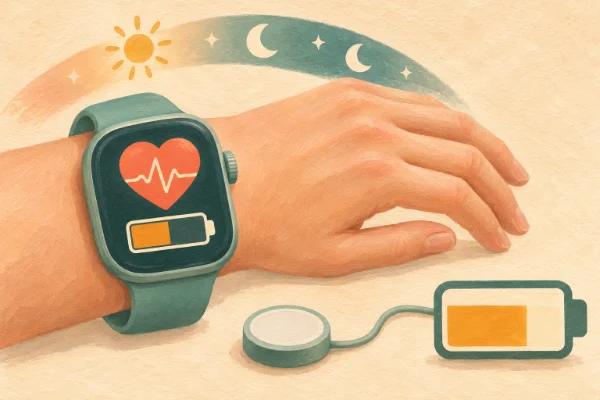
It is incredibly frustrating to invest in a beautiful new wearable device, only to realize that the most helpful health features are locked behind a monthly subscription. When I first started tracking my wellness, I bought a popular fitness band and was disappointed to find that my detailed sleep data required an extra fee every month. If you are looking to take charge of your health without adding another recurring charge to your credit card, you are in the right place. Today, I want to guide you through the essential wearable health features that you can—and should—expect to use completely free of charge once you purchase your device.
What to Check Before You Buy
Before exploring specific features, it is crucial to establish some context. Not all brands treat your data the same way. Companies like Garmin and Apple generally offer their comprehensive health metrics without ongoing fees, whereas others gate their premium insights behind a paywall. The requirement here is simple: always read the fine print or look for the phrase 'no subscription required' before making a purchase. Knowing this upfront saves you from unexpected costs and ensures your wellness journey remains on your terms.
Essential Features That Work Without a Monthly Fee
Here is a breakdown of the core wellness tracking features you can reliably access without paying a subscription, along with how to evaluate the data they provide.
1. Step Counting and Daily Movement
This is the foundation of any wearable. Your device uses an internal accelerometer to track your daily steps, distance traveled, and active minutes. How to evaluate it: Use this feature to establish a baseline. If your goal is 8,000 steps, check your wrist halfway through the day. It is a simple, highly effective way to encourage more movement, and it should always be free.
2. Resting and Active Heart Rate
Monitoring your heart rate gives you an excellent window into your cardiovascular health. Almost all devices will track your heart rate around the clock without a fee, showing you your resting heart rate overnight and your peak heart rate during a workout. How to evaluate it: Watch your resting heart rate over time. A gradual decrease often indicates improving fitness, while sudden spikes might mean you are overtraining or coming down with a cold.
3. Basic Sleep Tracking
While some brands charge for deep sleep coaching or readiness scores, basic sleep duration is standard on free tiers. You will usually be able to see when you fell asleep, when you woke up, and periods of restlessness. How to evaluate it: Focus on consistency. Are you going to bed at the same time every night? Tracking your total hours can be just as impactful as analyzing every REM cycle.
4. Blood Oxygen (SpO2) Spot Checks
Many modern wearables allow you to manually check your blood oxygen saturation. While continuous overnight tracking might sometimes be a premium feature depending on the brand, taking a manual reading during the day is almost always included in the base price.
5. Cycle Tracking and Women's Health
For many of us, understanding our menstrual cycle is a vital part of overall wellness. Fortunately, cycle tracking is a feature that almost every major wearable manufacturer includes for free. By logging your symptoms and letting the device use your wrist temperature data, you can predict your periods and fertile windows without needing a costly third-party app. How to evaluate it: Track your cycle for at least three months to allow the algorithm to learn your unique rhythm. It is incredibly empowering to align your workouts and rest days with your natural hormonal shifts.
An Alternative: Using Your Smartphone
If you realize you only need the absolute basics and want to avoid buying a wearable altogether, there is a completely free alternative. Both Apple Health and Google Fit use your phone's built-in sensors to track your steps, walking asymmetry, and even your sleep schedule if you keep your phone on your bed. It is a fantastic starting point if you do not want to wear a device on your wrist.
My personal tip: If you are using a device that tries to upsell you on premium insights, take a moment every Sunday to manually write down your basic free stats—like average resting heart rate and total sleep hours—in a physical journal. You will start noticing your own trends and patterns without needing a paid algorithm to tell you how you feel!
How to Know if Your Free Setup is Working
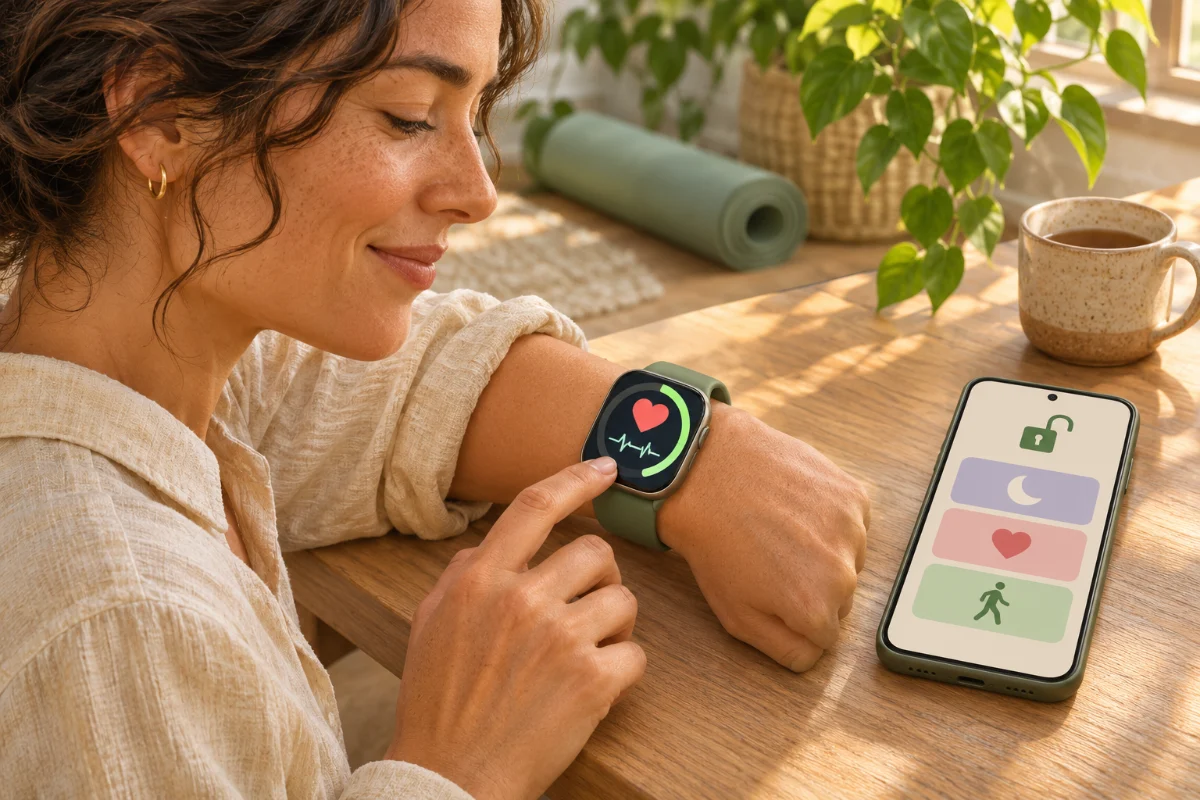
You will know this approach is working when you feel informed rather than overwhelmed. If you are consistently hitting your movement goals, feeling rested, and making mindful choices based on the free data provided on your wrist and phone, the method is successful. True wellness tracking should empower you, not make you feel like you are missing out because you did not pay a premium fee.
Common Obstacles and Solutions
Navigating free tiers can sometimes be tricky. Here is a common obstacle and how to handle it:
- Obstacle: Losing Access to Historical Data. Some apps allow you to see today's data for free but charge you to look back at previous months.
- Solution: Sync your wearable's app to a central, free health repository like Apple Health or Google Connect. These platforms store your historical data indefinitely for free, ensuring you never lose your progress even if your wearable's native app tries to lock it away.
Everyday Adjustments and Scenarios
Your tracking should adapt to your life. If you are working from home and barely hitting 2,000 steps by 3 PM, set a free hourly stand reminder on your watch. If you are training for a local race, rely heavily on the free GPS and heart rate zones during your runs. You do not need a paid recovery score to tell you your legs are sore; listen to your body and use the free metrics to validate what you already feel.
Sometimes I have been asked this:
1. Does the Apple Watch require a subscription for health tracking?
No, all the built-in health sensors on an Apple Watch—including ECG, heart rate, sleep tracking, and blood oxygen—are available without a subscription. Apple Fitness+ is a separate, optional paid service for workout videos, but it is not required for data tracking.
2. Which brand is best if I refuse to pay monthly fees?
Garmin is widely considered one of the best options for avoiding subscriptions. Their Garmin Connect app provides an incredibly deep level of data analysis, including training readiness and sleep scores, completely free with the purchase of the device.
3. Do I lose my data if I cancel a premium subscription?
Usually, you only lose access to the premium analysis generated by the algorithm. Your raw historical data, like your daily step counts or past heart rate logs, typically remains accessible in your account, though you should always check the specific company's terms of service.
4. Can I export my free data?
Yes, most reputable health apps allow you to export your data as a CSV or XML file. This is a great way to take ownership of your health information and share it with your healthcare provider if needed.
5. Are premium wellness subscriptions ever worth it?
They can be if you are a highly data-driven person who loves actionable, daily coaching. However, for the vast majority of women just looking to stay active and healthy, the free metrics provide more than enough information to make positive lifestyle changes.
Final Thoughts
Taking control of your wellness should not feel like an ongoing financial burden. By choosing a device that respects your right to access your own biometric data, you can track your progress, build healthier habits, and stay motivated—all without a monthly subscription. Remember to listen to your body first, and use your tracker as a helpful, silent assistant on your journey.