Demystifying Wearable Water Resistance Ratings
Have you ever plunged into a pool or stepped into a hot shower wearing your brand-new "waterproof" fitness tracker, only to find a blank screen and a foggy sensor a few hours later? It is a heartbreaking experience, and it usually happens because tech marketing can be incredibly misleading. When brands throw around terms like "IP68" or "10 ATM," it is easy to assume your device is invincible. Today, I want to help you cut through the marketing jargon. We are going to decode exactly what these water resistance ratings mean in the real world, so you can confidently choose a wearable that survives your lifestyle without constantly worrying about ruining it.
Understanding the Alphabet Soup: ATM vs. IP Ratings
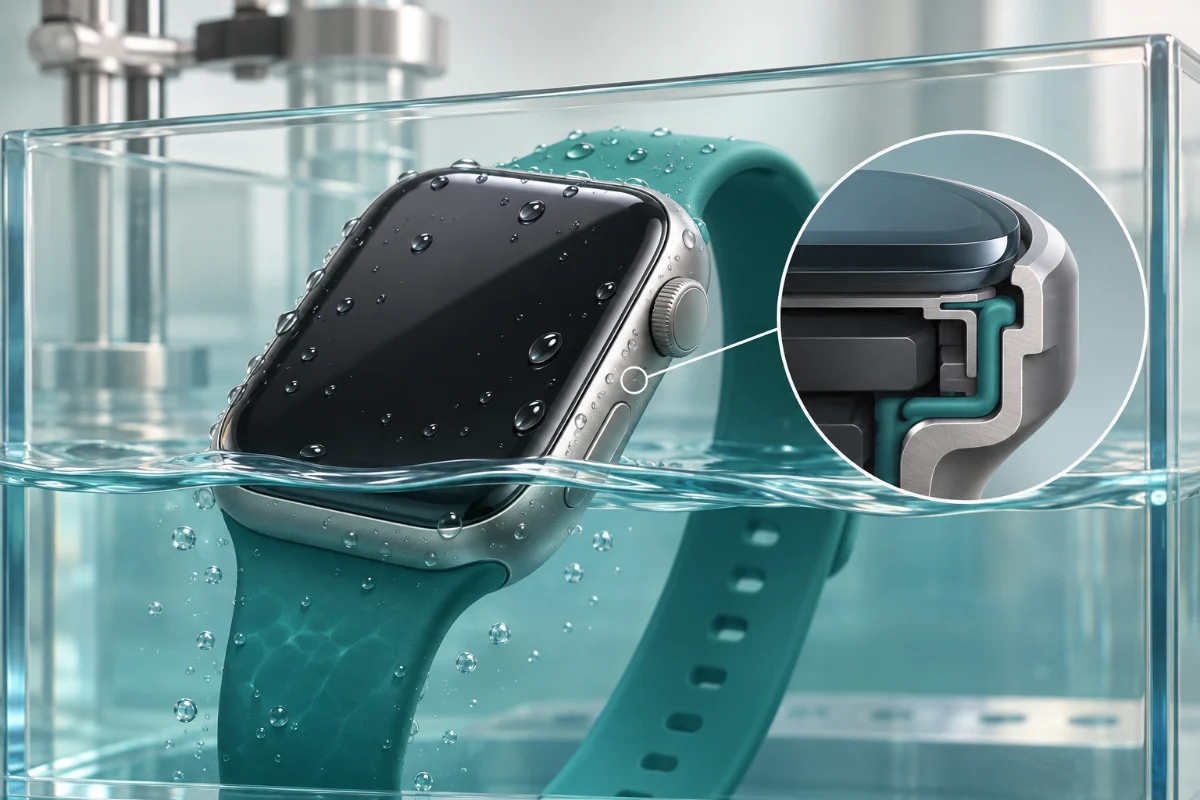
The first thing to know is that there is no such thing as a truly "waterproof" wearable. Devices are "water-resistant," meaning they can handle water under specific, tested conditions. You will typically see two types of ratings on the box: ATM and IP.
- ATM (Atmospheres): This rating measures static pressure. One ATM equals the pressure at about 10 meters (33 feet) underwater. A 5 ATM rating means the watch can theoretically withstand the pressure at 50 meters. However, this is tested in perfectly still water. In reality, the dynamic pressure of your arm crashing into the water during a freestyle stroke is much higher.
- IP (Ingress Protection): This rating is usually two numbers, like IP68. The first number (6) means it is completely dust-tight. The second number (8) refers to water. An IP67 rating means the device can survive being submerged in up to 1 meter of water for 30 minutes. IP68 usually means it can go a bit deeper (often 1.5 meters) for the same amount of time.
The Real-World Translation
So, what do these numbers mean for your daily routine? Let us break it down practically:
- IP67 or 3 ATM: Think of this as "splash-proof." It will survive a rainy run, a sweaty workout, or washing your hands. Do not take it swimming, and definitely do not wear it in the shower.
- IP68 or 5 ATM: This is the sweet spot for most of us. You can safely wear a 5 ATM device for surface swimming in a pool or the ocean. It can handle your daily shower, but it is not built for high-impact water sports like jet skiing or diving from a high board.
- 10 ATM or higher: These devices are built for serious water enthusiasts. They can handle snorkeling, surfing, and high-velocity water impacts. Many modern smart rings, like the Samsung Galaxy Ring or Ultrahuman Ring Air, boast a 10 ATM rating, making them incredibly durable.
An Alternative Approach to Water Exposure
If you love the data from your wearable but are terrified of water damage, you can simply adopt a "dry-land only" approach. Even if your watch is rated for 5 ATM, choosing to take it off before you shower or swim is often the best way to prolong its lifespan. It gives your skin a chance to breathe, prevents soap scum from building up in the sensor crevices, and completely eliminates the risk of water damage as the internal seals naturally degrade over time.
My personal tip: If you do swim with your smart ring or watch, especially in a chlorinated pool or the salty ocean, always rinse it thoroughly with fresh tap water afterward. Salt and harsh chemicals are the absolute worst enemies of the rubber seals that keep your device water-resistant. Rinsing it takes five seconds and can add years to your tracker's life!
How to Know You Are Doing It Right
You will know you have successfully navigated water resistance when your device consistently performs without hiccups. If you can finish your morning swim, rinse your watch, and see your accurate heart rate data syncing perfectly without any internal condensation or screen flickering, you have respected the device's limits. True success means integrating the technology into your aquatic life without fear or expensive replacements.
Common Obstacles and Solutions
Water resistance is not permanent. Here are the biggest obstacles that can compromise your device and how to avoid them:
- Obstacle: The Hot Shower Myth. Many women assume that if a watch can handle a cold pool, it can handle a hot shower. Solution: Keep your watch out of the sauna, hot tub, and steamy showers. Heat causes the metal and plastic parts to expand at different rates, which can warp the internal waterproof seals. Furthermore, soaps and shampoos reduce the surface tension of water, allowing it to slip past those seals much easier than plain water.
- Obstacle: Charging a Wet Device. Solution: Never place a damp watch or smart ring on its charger. Water on the metal charging contacts can cause corrosion or even a short circuit. Always dry your device completely with a microfiber cloth before charging.
Everyday Adjustments and Scenarios
Your environment changes how your wearable behaves in the water. If you wear a smart ring, be aware that cold pool water will cause your fingers to shrink slightly. A ring that fits perfectly in your living room might easily slip off and sink to the bottom of the deep end. Conversely, if you are paddleboarding in the hot sun, a tight watch band might become unbearable as your wrists swell. Adjust your strap tension, and if your ring feels loose in the water, take it off and tuck it safely in your bag.
Sometimes I have been asked this:
1. Does my wearable stay water-resistant forever?
Unfortunately, no. The rubber gaskets and adhesives that keep water out will naturally degrade over time due to age, exposure to sunscreen, sweat, and temperature changes. A watch that is perfectly safe for swimming in year one might drown in year three.
2. Can I press the buttons on my smartwatch underwater?
Unless your watch is a specialized diving computer (rated 20 ATM or higher), you should never press the physical buttons while submerged. Pressing a button briefly breaks the seal, allowing water to rush straight into the delicate electronics.
3. What does "waterproof" actually mean?
In the tech world, "waterproof" is a marketing myth. No consumer electronic device is completely impervious to water under all conditions. Always look for the specific ATM or IP rating to understand the true limits of "water-resistant."
4. My watch is rated IP68; can I wear it in the ocean?
While the rating means it can survive the water depth, salt water is highly corrosive. You can wear it, but it is imperative that you rinse it with fresh water immediately after leaving the beach to protect the charging contacts and sensors.
5. What should I do if my wearable gets water damage?
If your screen fogs up or the device turns off unexpectedly after getting wet, do not plug it in. Dry the outside thoroughly, place it in a dry, well-ventilated area for a few days, and contact the manufacturer. Do not use a hairdryer, as the heat can cause further damage.
Final Thoughts on Protecting Your Tech
Understanding water resistance ratings gives you the power to use your tech exactly as it was intended. By looking past the flashy "swim-proof" marketing and respecting the actual IP and ATM numbers, you can enjoy your laps, your runs in the rain, and your sweaty workouts without a second thought. Treat your wearable with a little bit of care, respect its limits, and it will keep tracking your wellness journey for years to come.