Overwatered vs Underwatered Plants Guide
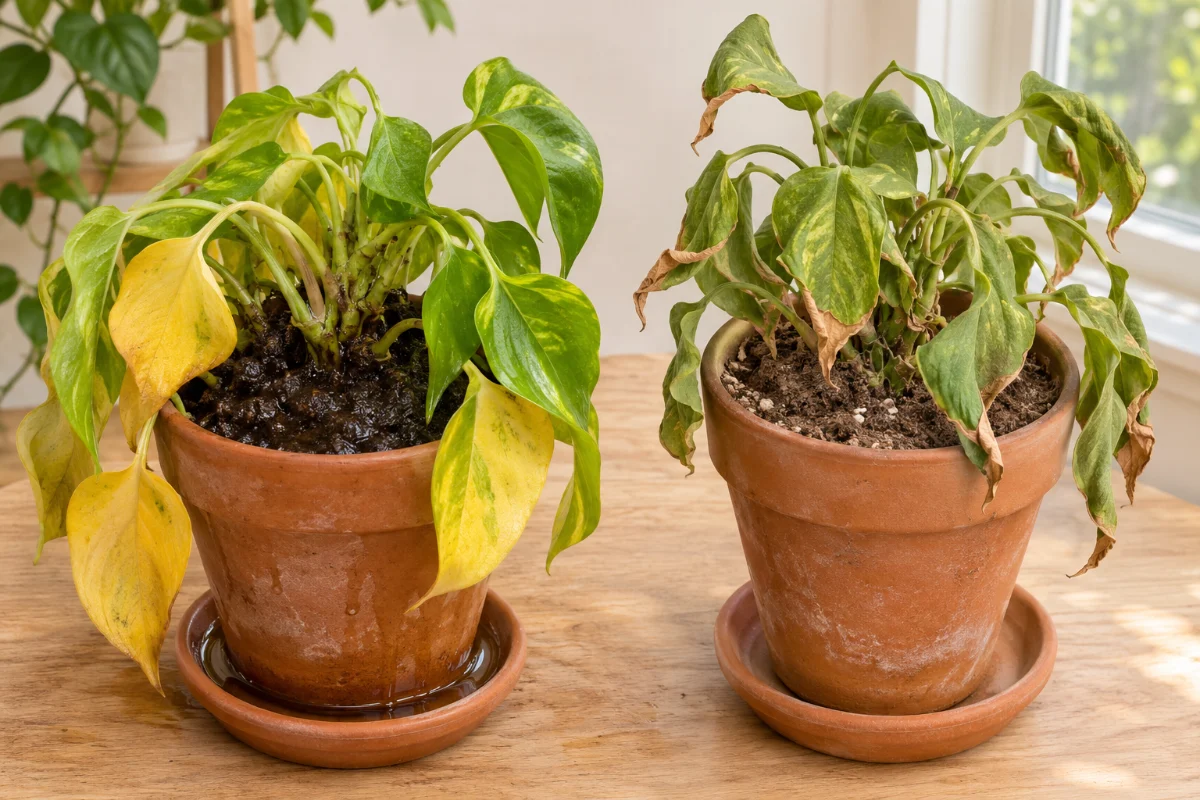
Have you ever stood in front of a wilting houseplant, watering can in hand, paralyzed by indecision? You are not alone. Diagnosing overwatered vs underwatered plants is one of the greatest challenges we face indoors. A drooping plant can mean it is desperately thirsty, but ironically, it can also mean it is drowning. Today, I want to sit down with you and untangle this confusion. I will show you exactly how to read the subtle language of your leaves and soil. By the end of our time together, you will know how to confidently diagnose your green companions and give them exactly what they need to thrive.
What You Need Before We Start
To properly diagnose your plants, you only need a few basic things. First, your hands. Your fingers are the best diagnostic tools you own. Second, an unvarnished wooden chopstick (the kind you get with takeout). Finally, a good dose of patience. When a plant is stressed, our first instinct is to panic and pour water on it, but taking a moment to observe is crucial.
Spotting the Differences: A Step-by-Step Guide
Let's break down exactly what to look for. Diagnosing the issue is a process of elimination.
- Analyze the leaves: Touch them. If the leaves are yellow, soft, and mushy to the touch, you are likely dealing with overwatering. If the leaves are crispy, dry at the edges, and curling inward, the plant is underwatered.
- Examine the soil: Push your finger about two inches into the soil. If it feels wet, cold, and heavy, do not add water. If it is bone dry all the way through and the soil is pulling away from the sides of the pot, your plant is parched.
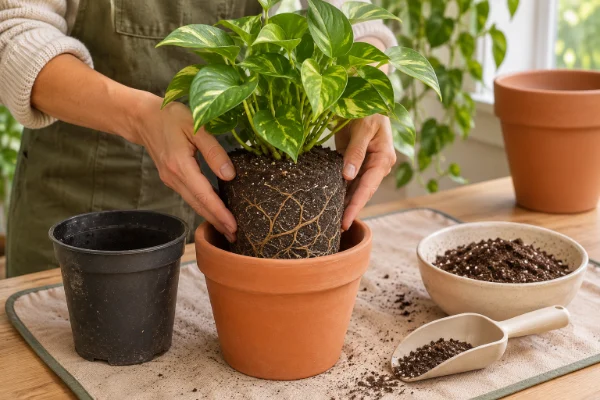
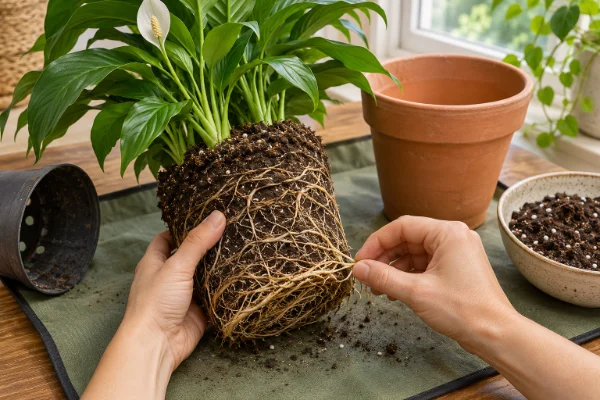
- Check the roots: If you suspect overwatering, gently pull the plant out of its pot. Healthy roots are firm and white or tan. Overwatered roots suffering from rot will be dark brown, slimy, and smell like a swamp.
An Alternative Diagnostic Method: The Weight Test
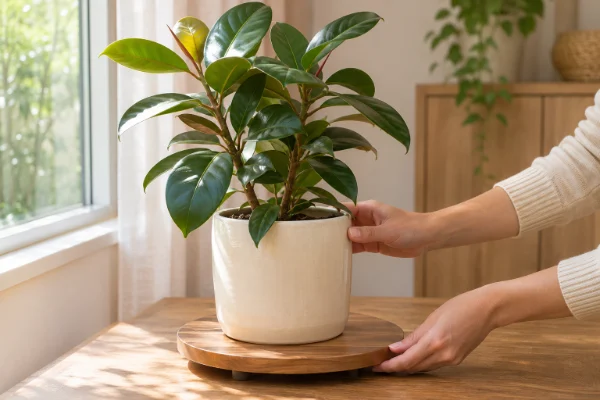
If you don't want to get your hands dirty or disturb the roots, the "lift test" is a fantastic alternative. After you water a plant thoroughly, lift the pot. Notice how heavy it is. Check it again a few days later. An underwatered plant in dry soil will feel surprisingly light, almost hollow. An overwatered plant sitting in soggy soil will remain consistently heavy. Learning the weight of your pots is a game-changer.
How to Know if Your Adjustments are Working
When you correctly identify and fix the watering issue, your plant will tell you. If you rehydrate an underwatered plant, you will see it perk up and restore its turgor pressure within 24 to 48 hours. If you are rescuing an overwatered plant by letting it dry out or repotting it in fresh soil, recovery takes longer. You will know it is working when the yellowing stops spreading and, eventually, firm green new growth appears at the top.
Common Mistakes and Obstacles
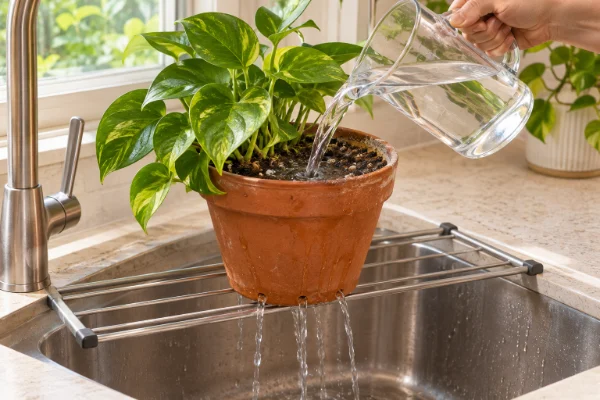
The most frequent obstacle is dealing with hydrophobic soil. Sometimes, when a plant is severely underwatered, the peat moss in the soil completely dries out and repels water. You might pour water on top, see it run out the bottom, and assume the plant is watered. In reality, the water just ran down the sides. The solution? Bottom watering. Place the pot in a basin of water for thirty minutes so it can slowly absorb moisture from the bottom up.
Adjustments for Different Scenarios
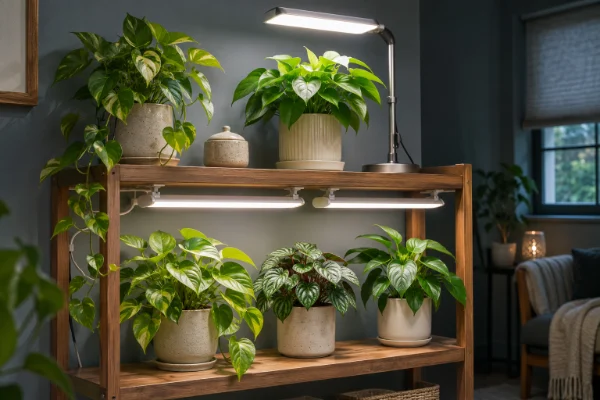
Keep in mind that seasonal changes drastically affect watering needs. In the summer, your plants might be chronically underwatered if you stick to a winter schedule. Conversely, in the winter, plants go dormant; watering them at summer rates is a guaranteed path to overwatering. Always adjust your frequency based on the light and temperature in your home.
Sometimes I have been asked this:
- Can an overwatered plant recover on its own? Only if you stop watering it immediately and move it to a spot with better air circulation. If root rot has set in, you must intervene by repotting.
- Why do leaves turn yellow in both situations? Yellowing (chlorosis) is a general stress response. The plant is cutting off nutrients to older leaves to survive. You must rely on texture (mushy vs. crispy) to tell the difference.
- Should I cut off the damaged leaves? Yes. Whether they are brown and crispy or yellow and mushy, those leaves will not recover. Pruning them allows the plant to redirect energy to new, healthy growth.
- Does misting help an underwatered plant? No. Misting only slightly increases ambient humidity for a few minutes. It does not replace watering the roots, which is where the plant drinks.
- How often should I use a moisture meter? They are helpful guides, but don't rely on them exclusively. Some soil mixes can give false readings. Always combine the meter reading with the finger test and lifting the pot.
Final Thoughts
Learning to distinguish between an overwatered and an underwatered plant takes a bit of practice, but it is a deeply rewarding skill. Do not feel discouraged if you lose a plant or two along the way; every mistake is a lesson that makes you a better caretaker. Trust your senses, observe closely, and enjoy the serene rhythm of tending to your indoor garden.