How to Master Grow Light Placement
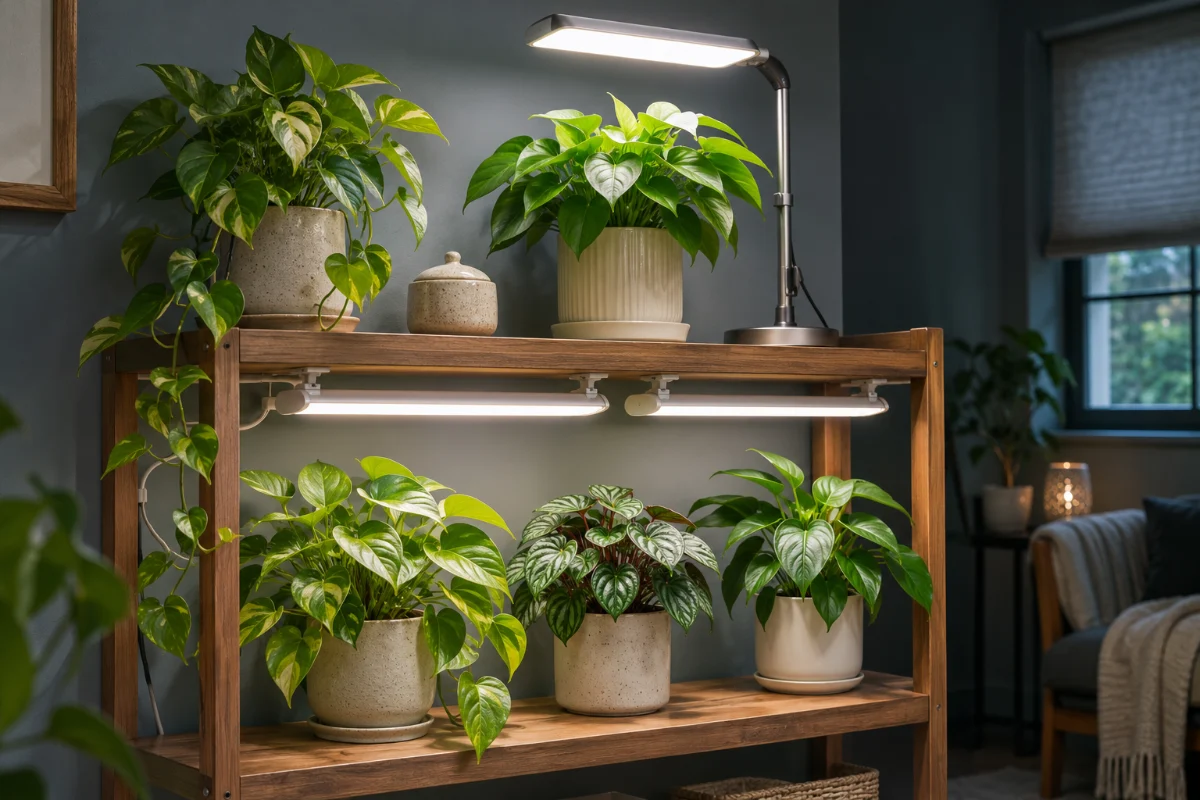
We all have that one beautifully styled corner in our home that is begging for a lush, trailing pothos or a vibrant prayer plant, but it receives absolutely no natural light. It can feel discouraging, but bringing life into those shadowy spaces is entirely possible. Mastering grow light placement is the secret to transforming even the darkest rooms into thriving indoor jungles. Today, we are going to demystify artificial lighting. You will learn exactly how to position, measure, and time your grow lights so your houseplants not only survive in a dark room but actively flourish and grow.
What You Need Before We Start
Before we start hanging lights, gather a few essential items. You will need a high-quality, full-spectrum LED grow light—avoid the purple or red "blurple" lights, as full-spectrum white light is much more pleasant for your home and excellent for foliage. You also need a standard measuring tape and, most importantly, an automatic timer or a smart plug. Consistency is the foundation of artificial lighting, and a timer ensures your plants get exactly what they need without you having to remember to flip a switch.
Perfecting Your Setup: A Step-by-Step Guide
Setting up your lights does not require an engineering degree. Follow these steps to ensure your plants are receiving optimal light energy:
- Position the light overhead: Plants naturally grow toward their light source. Whenever possible, suspend or mount the light directly above the plant to encourage straight, even growth. If the light comes from the side, the plant will lean heavily.
- Measure the distance: This is the most crucial aspect of grow light placement. For standard LED grow bulbs, position the light 12 to 24 inches above the top leaves of tropical plants. For high-light plants like succulents, bring it closer, about 6 to 12 inches away.
- Set the daily duration: Because artificial light is significantly weaker than the actual sun, you must compensate with time. Set your timer so the lights run for 12 to 16 hours every single day.
- Observe the heat: LED lights run very cool, but it is always wise to do the "hand test." Place your hand at the level of the highest leaf. If you feel uncomfortable heat from the bulb, it is too close and could scorch your plant. Move it back an inch or two.
An Alternative Approach: Decorative Fixture Integration
If you absolutely hate the look of industrial grow panels or clamp lights, there is a beautiful alternative. You can purchase standard-sized (E26 base) full-spectrum LED grow bulbs and screw them directly into your existing decorative floor lamps, desk lamps, or pendant lights. As long as you position the lamp at the correct distance from the plant and leave it on for the necessary hours, your plant will never know the difference, and your room's aesthetic remains perfectly intact!
How to Know if Your Placement is Working
You will know your lighting setup is successful within a few weeks. A happy plant will have firm leaves facing slightly upward toward the light. You will also notice the soil drying out at a normal, predictable rate—a clear sign the plant is actively photosynthesizing and drinking water. The most exciting confirmation is, of course, the appearance of bright, healthy new leaves unfurling.
Common Mistakes and Obstacles
The most frequent obstacle is the "inverse square law" of light, which simply means light loses its strength incredibly fast as it travels. Placing a grow light four feet away from a plant might look bright to our human eyes, but the plant is virtually starving. Always respect the measuring tape; proximity is everything. Another common mistake is leaving the lights on 24 hours a day. Plants require a period of darkness to rest, process nutrients, and respire. Constant light will severely stress them.
Additional Adjustments and Scenarios
If you are trying to overwinter outdoor plants indoors, or if you have a dense collection of plants grouped together, you might need to adjust your strategy. A single bulb only covers a small footprint. For a large cluster of plants, you will need a wider panel light or multiple bulbs angled to ensure the plants on the outer edges are not left in the shadows. Also, as your plant grows taller, remember to raise the light fixture so the top leaves do not accidentally grow directly into the bulb and burn.
Sometimes I have been asked this:
- Can any regular LED bulb work as a grow light? While a very bright, regular white LED can keep a low-light plant alive, it lacks the specific color spectrums (blues and reds) optimized for photosynthesis and robust growth. Invest in a dedicated full-spectrum grow bulb.
- Do grow lights use a lot of electricity? No. Modern LED grow lights are incredibly energy-efficient. Running a standard 15-watt LED grow bulb for 14 hours a day will only cost a few cents a month.
- Should I change the light distance during winter? If the plant relies 100% on the grow light and has no window access, the season does not matter; keep the distance the same. If it supplements a window, you might need to leave the light on a bit longer in winter.
- Can a grow light cause sunburn? Yes, absolutely. If a high-intensity grow light is placed too close to a delicate plant like a fern or calathea, it will bleach and crisp the leaves just like harsh sunlight.
- Is it okay to use grow lights in a room with no windows at all? Definitely! With the right grow light placement and a consistent 12 to 16-hour timer, you can grow a stunning tropical jungle in a windowless bathroom or basement.
Final Thoughts
Don't let a lack of natural light stop you from building the indoor garden of your dreams. By understanding the simple rules of distance, duration, and overhead placement, you can confidently turn any dark corner into a bright, leafy sanctuary. Measure twice, set your timers, and watch your plants thrive!