Indoor Plant Light by Window Direction
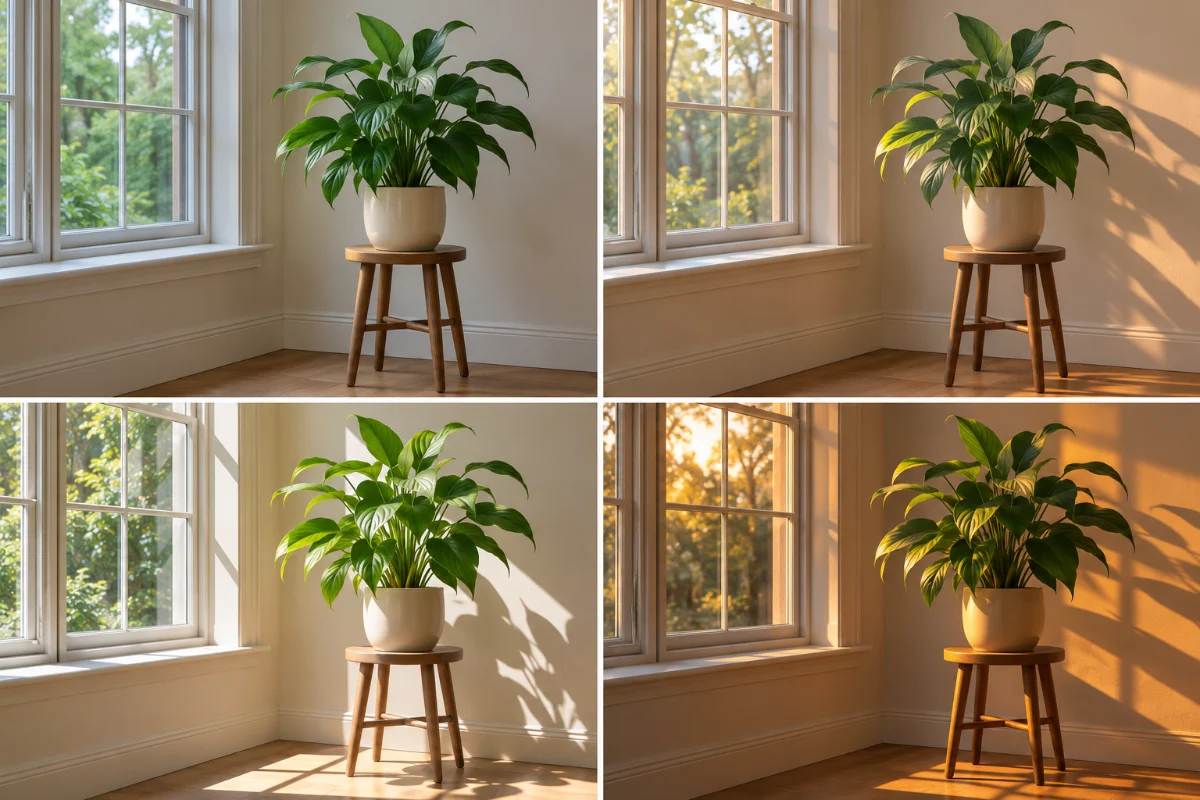
Have you ever brought a beautiful plant home, placed it on a table, and watched it slowly lose its vibrant color? Light is the food that fuels our indoor gardens, yet it is often the most misunderstood part of plant care. Understanding indoor plant light levels near different window directions is the single most important skill you can develop as a plant parent. Today, I am going to teach you how to "read" the light in your home. By matching your houseplants with the perfect window exposure, you will encourage lush growth, vibrant colors, and completely avoid the heartbreak of sunburned or leggy plants.
What You Need Before We Start
Before we start rearranging your living room, you only need a few simple tools. Grab your smartphone and open the compass app—this is essential for identifying exactly which way your windows face. You will also need a sunny day to accurately observe the light's intensity. Before we dive in, let's define a crucial term: bright indirect light. This means the plant is in a very bright room, but the harsh, direct rays of the sun are not physically touching its leaves. Direct light, on the other hand, means the sun's beams are hitting the plant directly.
Decoding Window Directions: A Step-by-Step Guide
Let's walk through your home and evaluate each window direction so you know exactly what to place there:
- Assess South-Facing Windows: Use your compass to find south. These windows receive the most intense, longest-lasting direct sunlight throughout the day. This is the prime real estate for sun-lovers like cacti, succulents, and bird of paradise plants.
- Evaluate East-Facing Windows: East windows welcome the gentle, cool morning sun. The direct light here is soft and usually ends by noon. This is an absolute haven for most tropical plants, such as monsteras, pothos, and calatheas, which love brightness without the heat.
- Check West-Facing Windows: West windows get late afternoon sun. This light is bright and can be surprisingly hot. It is great for sturdy plants like snake plants, ZZ plants, or rubber trees, but delicate ferns might scorch here.
- Analyze North-Facing Windows: North windows never receive direct sunlight; they only offer soft, ambient light all day. This is the lowest-light area of your home. Reserve these spots for highly adaptable, low-light tolerant plants like cast iron plants or peace lilies.
An Alternative Approach: The Shadow Test
If you don't want to worry about cardinal directions, you can use the classic shadow test. Pick the spot where you want to place your plant. On a sunny day around noon, hold your hand about twelve inches above a piece of white paper. If your hand casts a sharply defined, dark shadow, that is high or direct light. If the shadow is fuzzy and soft around the edges, you have medium or indirect light. If the shadow is barely visible, it is a low-light spot.
How to Know if Your Placement is Working
Your plants will always tell you if they are happy with their lighting. When the light is just right, your plant will push out new leaves that are appropriately sized and colored. If a plant is not getting enough light, the new growth will be tiny, the stems will stretch out looking long and "leggy" as they reach for the window, and variegated plants will revert to solid green. If it gets too much light, you will see crispy brown, scorched patches right in the middle of the leaves.
Common Mistakes and Obstacles
The most frequent mistake I see is underestimating how quickly light drops off as you move away from a window. A spot just three feet away from a south-facing window might only receive 20% of the light that the windowsill gets! Do not assume a room is "bright" just because it has a window; proximity is everything. Another obstacle is obstructed windows—a large tree outside or an awning can turn a bright south window into a low-light north equivalent.
Additional Adjustments and Scenarios
Light levels are not static. During the winter, the sun sits lower in the sky and the days are much shorter. A plant that thrived perfectly a few feet away from an east window in the summer might need to be moved directly onto a south-facing windowsill in the winter just to survive. Always be prepared to shuffle your indoor garden a bit as the seasons change.
Sometimes I have been asked this:
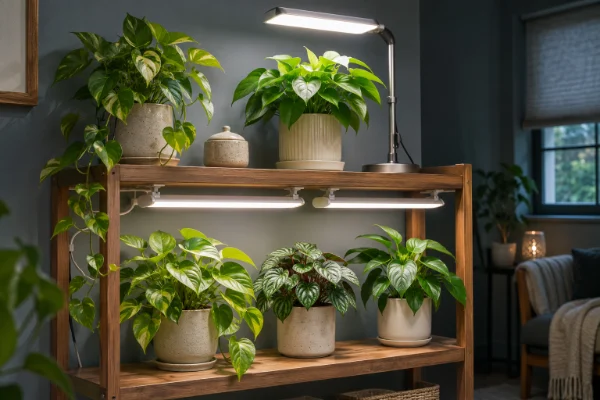
- Do grow lights actually work if I have no windows? Yes, full-spectrum LED grow lights are incredibly effective. They can successfully mimic the sun and allow you to grow high-light plants in a windowless bathroom.
- Can a plant get too much indirect light? Rarely. Most tropical houseplants thrive in maximum indirect brightness. It is only the heat of direct sunbeams that you usually need to worry about.
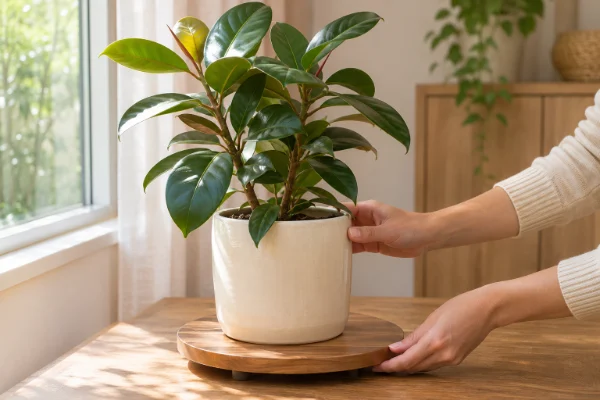
- Why is my plant leaning toward the window? Plants naturally grow toward their light source, a process called phototropism. To keep your plant growing straight and balanced, give the pot a quarter-turn every time you water it.
- Are frosted windows okay for plants? Frosted glass diffuses light beautifully, much like a sheer curtain. It reduces the intensity of direct sun, making it safe for delicate plants, but it also significantly reduces the overall light energy.
- Does cleaning plant leaves help them get more light? Absolutely! A layer of household dust blocks sunlight from reaching the leaf's surface. Wiping them down monthly with a damp cloth dramatically improves their ability to photosynthesize.
Final Thoughts
Finding the perfect spot for your leafy friends is a bit of a dance, but it is one of the most rewarding parts of bringing nature indoors. By understanding how indoor plant light levels change with every window direction, you can create a customized oasis where every plant naturally thrives. Grab your compass, observe your shadows, and give your plants the light they truly crave!