How to Choose the Right Pot Size for Plants
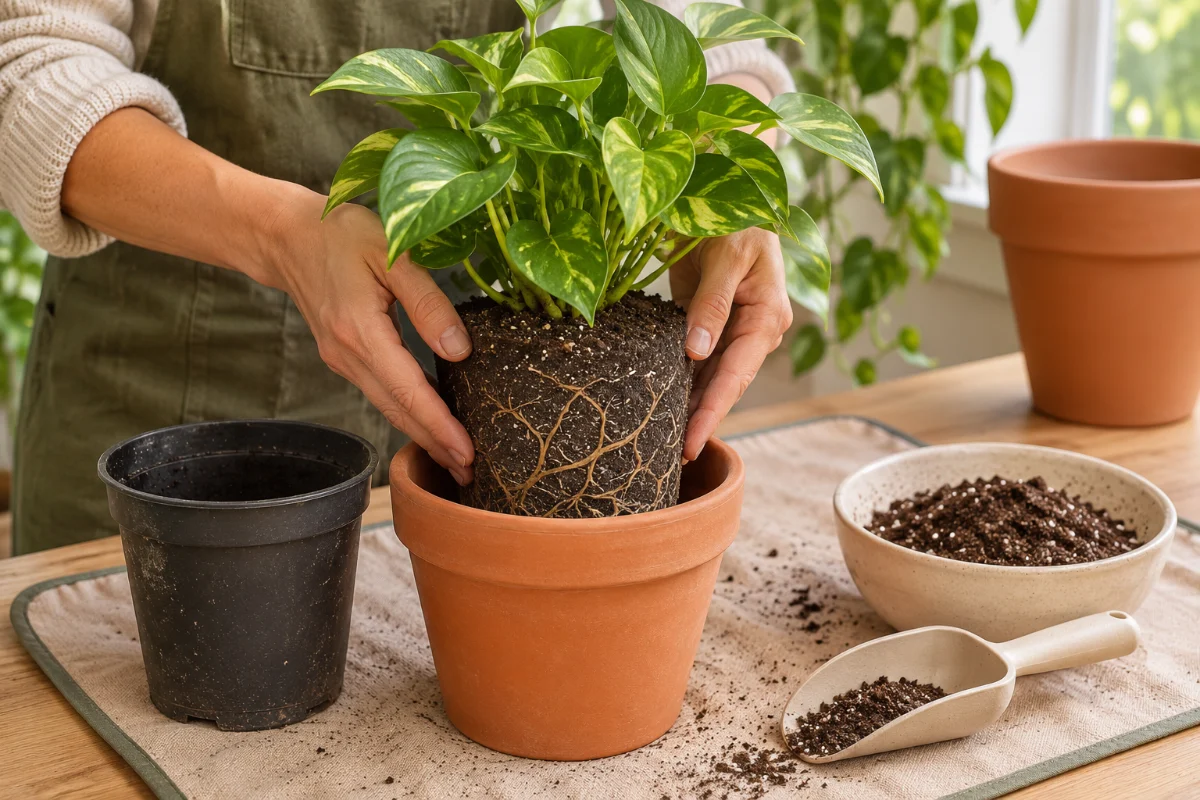
It is so tempting to give our growing plants a massive new home, thinking they will appreciate the extra space. However, choosing the right pot size for houseplant growth is actually a delicate balancing act. Today, we are going to learn exactly how to size up your indoor plants without overwhelming their delicate root systems. By understanding the golden rules of repotting, you will prevent accidental drowning, encourage robust foliage, and feel incredibly confident the next time you bring a new planter home.
What You Need Before We Start
Before we measure anything, you will need your plant, a simple ruler or measuring tape, and a clear understanding of its current health. You should only consider upgrading the pot size if the plant is actively outgrowing its current home. Never repot a sick or wilting plant into a larger container, as this will only compound its stress.
The Golden Rules of Sizing: A Step-by-Step Guide
Here is exactly how you can ensure you are making the perfect choice for your plant's next home:
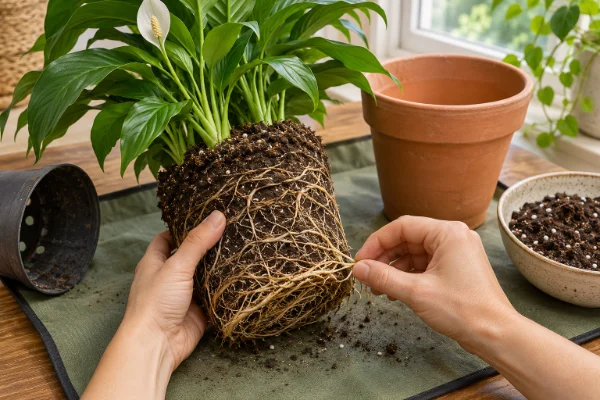
- Assess the current roots: Carefully slide the plant out of its current pot. If the roots are tightly coiled around the bottom and sides, it is time for an upgrade.
- Measure the current diameter: Take your ruler and measure straight across the top of the old pot.
- Apply the two-inch rule: For tabletop plants in pots under 10 inches, only increase the diameter by 1 to 2 inches. For large floor plants, you can increase by 2 to 3 inches.
- Check the depth: Ensure the new pot is proportionally deep. You want about an inch of fresh soil beneath the root ball and an inch around the sides.
- Settle the plant: Place the plant in the new container, ensuring the top of the root ball sits at the same level it did previously, and fill in the gaps with fresh soil.
An Alternative Approach: Root Pruning
What if you absolutely love the current decorative pot and do not want the plant to get any bigger? The alternative is root pruning. Instead of sizing up, you can gently trim away up to one-third of the thickest, oldest roots with sterile shears, refresh the soil, and place it right back into the exact same pot. This keeps the plant perfectly sized for your space!
How to Know if Your Choice is Working
You will know you chose the perfect size when your watering routine remains relatively stable. The soil should still dry out within a week or two. Within a month, you should see a lovely flush of new leaves, proving the roots have comfortably expanded into their new territory without drowning in excess moisture.
Common Mistakes and Obstacles
The most heartbreaking mistake I see is the "room to grow" mindset. Putting a small plant in a giant pot means the massive volume of wet soil will sit there for weeks before the tiny roots can drink it all. This stagnant moisture inevitably leads to root rot. Always resist the urge to skip pot sizes!
Additional Adjustments and Scenarios
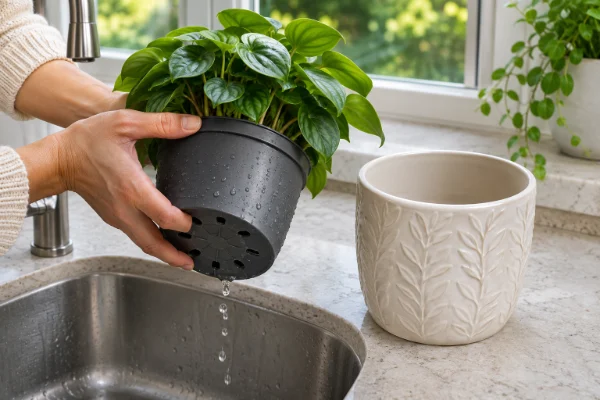
Keep the pot material in mind when making adjustments. If you are moving a plant from a highly breathable terracotta pot into a glazed ceramic or plastic pot, the soil will retain moisture much longer. In this scenario, stick strictly to a one-inch size increase to ensure the soil does not stay dangerously wet. Conversely, extremely fast-growing plants like monsteras in the peak of summer might tolerate a slightly larger jump if you are a very attentive waterer.
Sometimes I have been asked this:
- Why is my plant drooping after moving to a bigger pot? This is transplant shock. It is completely normal for a plant to pout for a few days while its roots adjust to the new soil and space. Give it time!
- Does the shape of the pot matter? Yes! Deep, narrow pots hold moisture at the bottom much longer than shallow, wide pots. Match the pot shape to your plant's natural root structure.
- Can I put a tiny cutting straight into a large pot? Please do not! Start cuttings in very small two-inch nursery pots or cups. They need to feel snug to develop a strong root system before handling a larger volume of soil.
- How long can a plant stay in the same pot? Slow growers like snake plants or cacti can happily stay in the same pot for three to five years. Fast-growing tropicals might need a one-inch upgrade every single spring.
- Should I loosen the roots before putting them in the new pot? Just a little bit. Gently massage the bottom inch of the root ball to encourage the roots to grow outward into the new soil, but do not rip them apart.
Final Thoughts
Choosing the right pot size doesn't have to be a guessing game. By listening to your plants and following the two-inch rule, you are setting them up for years of healthy, stunning growth. Trust your judgment, measure carefully, and enjoy the beautiful process of watching your indoor garden thrive.