Custom Potting Mix Ingredients for Houseplants
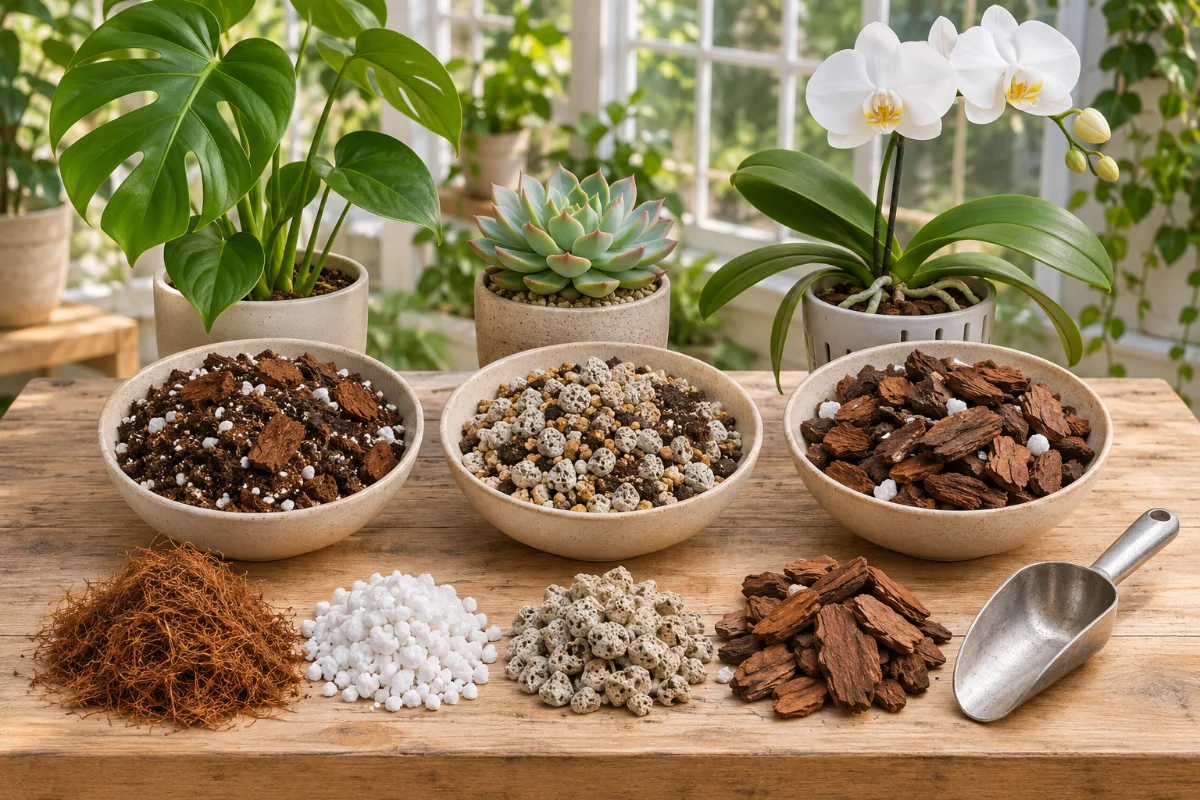
Have you ever brought a beautiful new plant home, only to watch it slowly decline despite your best watering efforts? Often, the culprit is hiding right beneath the surface. The soil we use is the foundation of our indoor gardens, yet many of us settle for generic, heavy bags of potting soil that suffocate delicate roots. Today, we are going to explore the essential potting mix ingredients for different indoor plant types. You will learn how to customize your soil to mimic your plants' natural habitats, giving them the perfect balance of moisture, aeration, and nutrients. By mastering these ingredients, you will see faster growth, healthier roots, and significantly less root rot.
What You Need Before We Start
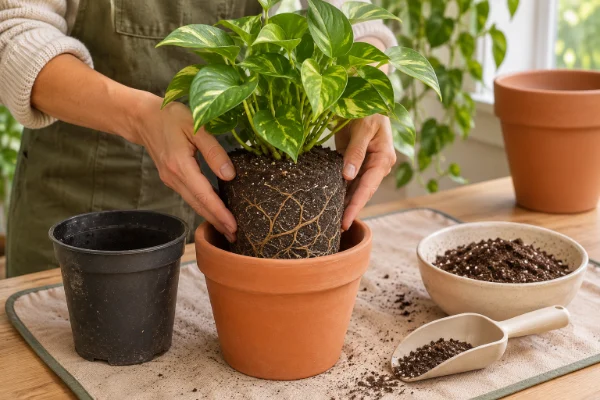
Creating your own custom potting mixes is incredibly rewarding and much easier than you might think. Before we begin mixing, you will need a large plastic storage bin or a dedicated potting tarp to contain the mess. You will also need a measuring scoop (an old plastic cup works perfectly) to maintain consistent ratios. Finally, gather your core potting mix ingredients: high-quality coco coir or peat moss for your base, coarse perlite or pumice for drainage, horticultural charcoal, fine orchid bark, and a gentle fertilizer like worm castings.
Understanding Your Ingredients: A Step-by-Step Guide
Instead of relying on a one-size-fits-all approach, let's break down what each component actually does for your plants so you can mix with confidence:
- Coco Coir or Peat Moss (The Base): This makes up the bulk of most mixes. It retains moisture beautifully while remaining relatively light. I highly prefer coco coir because it is a more sustainable resource and wets much easier than dried peat moss.
- Perlite or Pumice (The Aerator): These look like little white rocks. They create tiny air pockets in the soil, allowing oxygen to reach the roots and water to drain quickly. Pumice is slightly heavier and doesn't float to the top of the pot over time like perlite does.
- Orchid Bark (The Structure): Chunky pieces of bark create large gaps in the soil. This is absolutely critical for epiphytes (plants that grow on trees in the wild), like monsteras and pothos, whose roots need to cling and breathe.
- Worm Castings (The Food): This is natural, organic compost made by earthworms. It provides a gentle, slow-release source of nutrients that will never burn your plant's delicate roots.
Tailoring the Mix to the Plant Type
Now, let's combine these ingredients into custom recipes. Remember, ratios are approximate—gardening is an art, not strict chemistry!
The Chunky Aroid Mix
For tropical plants like Monsteras, Philodendrons, and Pothos. They need fast drainage but consistent ambient moisture.
- 40% Orchid Bark
- 30% Coco Coir
- 20% Perlite or Pumice
- 10% Worm Castings
The Succulent and Cacti Mix
For arid plants like Aloe, Echeveria, and Snake Plants. They require extremely fast drying times to prevent rot.
- 50% Pumice or Perlite
- 40% Coco Coir or regular potting soil
- 10% Horticultural Sand (coarse)
The Moisture-Loving Mix
For Calatheas, Ferns, and Peace Lilies. These plants despise drying out completely but still need oxygen at the roots.
- 60% Coco Coir
- 30% Perlite
- 10% Worm Castings
An Alternative Approach: Amending Store-Bought Soil
If buying five different bags of ingredients feels overwhelming or too expensive right now, there is a fantastic alternative. Buy one bag of high-quality standard indoor potting soil and one bag of coarse perlite. Simply mix two parts of the commercial soil with one part perlite. This instantly transforms heavy, dense store-bought dirt into a much lighter, more breathable mix suitable for most common houseplants.
How to Know if Your Custom Mix is Working
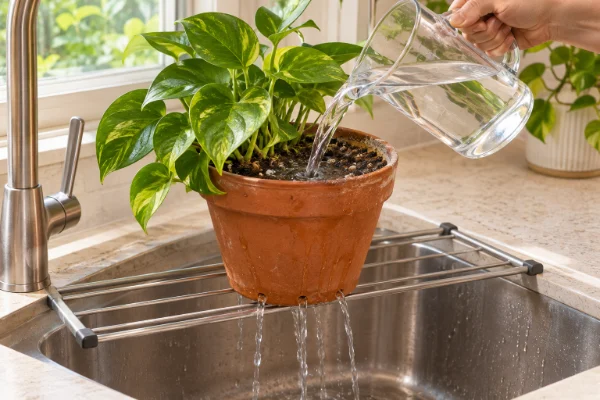
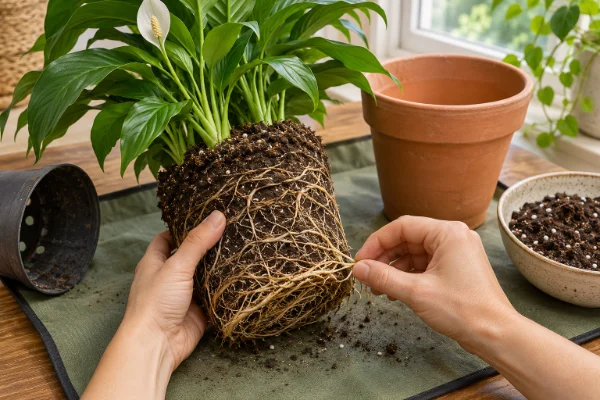
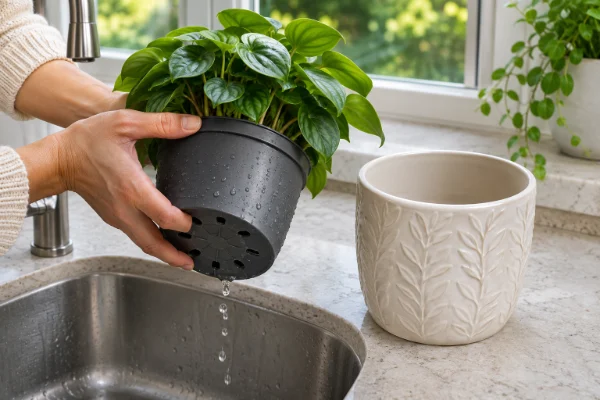
You will know you have nailed your potting mix ingredients the very next time you water. When you pour water onto the soil, it should immediately sink in and begin draining out of the bottom holes within seconds. It should never pool on the surface. Over the next few weeks, you will also notice new roots pressing against the sides of clear nursery pots—they will look thick, fuzzy, and bright white, indicating exceptional health and oxygen flow.
Common Mistakes and Obstacles
The most devastating mistake I see is using outdoor garden soil or "topsoil" for indoor potted plants. Outdoor dirt is incredibly dense, contains weed seeds or pests, and completely compacts in a pot, suffocating your houseplant. Always use soil-less potting mixes indoors. Another obstacle is measuring by weight rather than volume; always use a scoop to measure your "parts" so the ratios remain accurate regardless of how heavy an ingredient is.
Additional Adjustments and Scenarios
Your environment dictates your soil needs. If you live in a very humid climate, or if you prefer plastic pots, increase the amount of perlite and bark in your recipes to ensure the soil dries out in a reasonable timeframe. Conversely, if you live in a dry desert climate or use porous terracotta pots, increase the coco coir to help the pot retain moisture just a little bit longer.
Sometimes I have been asked this:
- Can I reuse old potting soil from a plant that died? I highly advise against it. The old soil might harbor the pests, fungi, or bacterial root rot that killed the previous plant. It is always safest to start fresh.
- Do I need to sterilize my ingredients before mixing? Generally, no. High-quality commercial coco coir and perlite are sterile enough. However, if you are prone to fungus gnats, you can pour boiling water over your coco coir block before expanding it.
- Is horticultural charcoal really necessary? It is optional but wonderful. Charcoal helps absorb impurities and sweetens the soil, preventing bacterial growth if the pot accidentally stays wet for too long.
- Why does my soil pull away from the edges of the pot? This happens when peat moss or coco coir dries out completely and becomes hydrophobic. Next time, add a bit more perlite to your mix, and use bottom watering to rehydrate the hardened soil.
- How long does a homemade potting mix last in storage? If kept in an airtight bin in a cool, dry place, a dry mix will last indefinitely. If you added moisture to it, try to use it within a month to prevent mold growth in the bin.
Final Thoughts
Taking control of your potting mix ingredients is one of the most empowering steps you can take on your indoor gardening journey. It shifts you from simply reacting to your plants' problems to proactively creating an environment where they can naturally thrive. Grab a bin, get your hands dirty, and mix up a custom blend this weekend. Your plants will reward you with gorgeous, vibrant growth!