How to Read Indoor Plant Watering Signs
We've all been there: it's Sunday morning, and you're making your rounds with the watering can because it's "watering day." But treating our indoor gardens like a strict calendar appointment is one of the most common reasons our leafy friends struggle. Today, you will learn how to read indoor plant watering signs so you can give your plants a drink exactly when they need it, not just when the calendar dictates. By understanding these subtle cues, you'll prevent root rot, encourage vibrant growth, and become a much more confident plant parent.
What You Need Before We Start
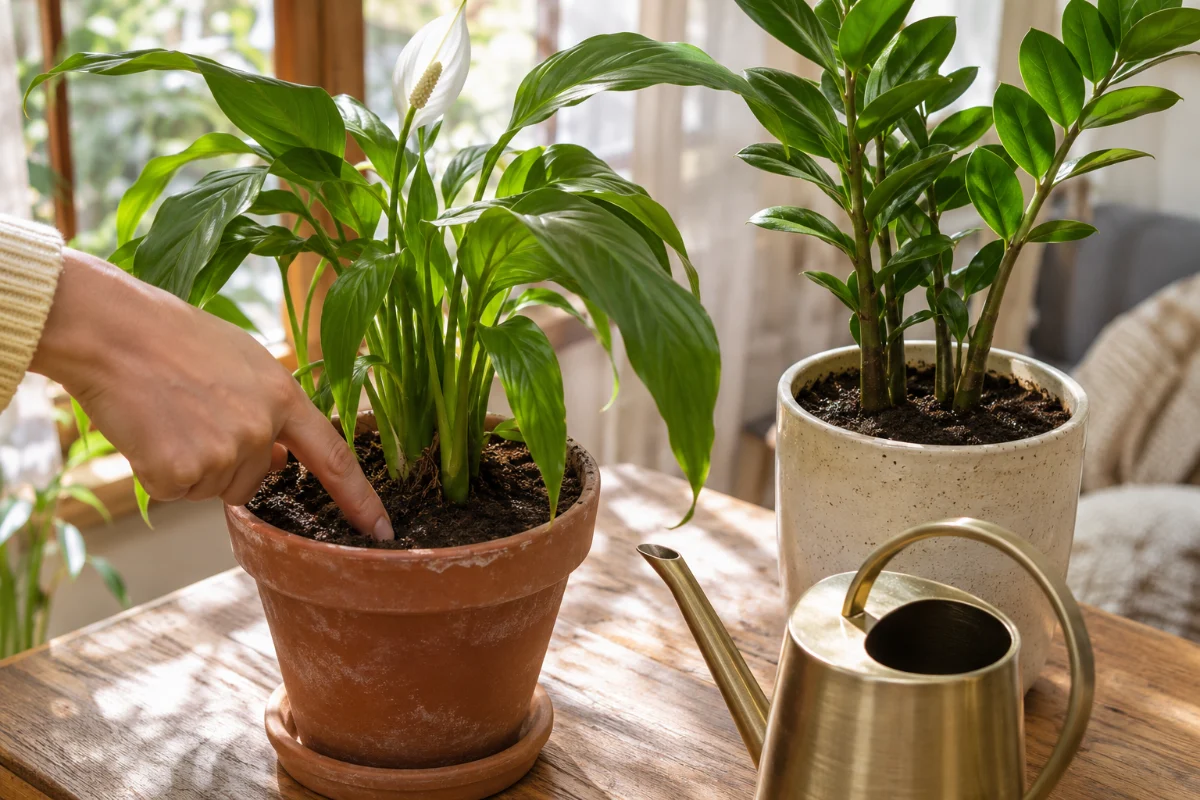
Before you ditch the schedule, you only need a few simple tools. The most important one is your own observation. You'll also need your index finger (the ultimate moisture sensor) and, optionally, a basic soil moisture meter if you want extra reassurance. Keep in mind that every plant environment is different, so factors like your home's humidity and temperature play a huge role.
Reading the Signs: A Step-by-Step Guide
Instead of guessing, here is how you can actively read what your plants are telling you:
- Check the soil surface: Look at the topsoil. Does it look light brown and crusty, or dark and rich? Light soil often indicates it's drying out.
- Do the finger test: Gently push your index finger about two inches into the soil. If it feels dry at your fingertip, it's usually time to water. If it feels cool and moist, wait a few more days.
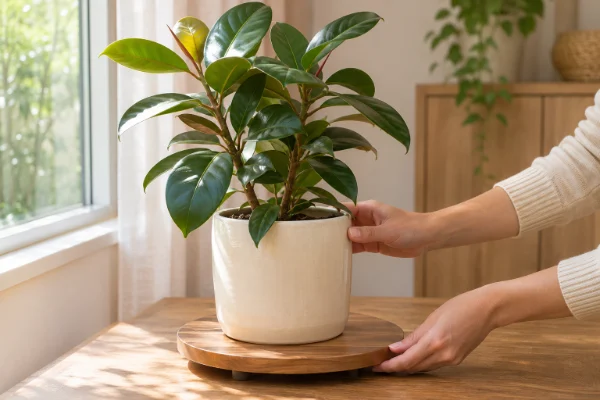
- Lift the pot: After watering, lift the pot to feel its weight. A fully saturated pot is surprisingly heavy. A dry pot feels very light. Get used to this weight difference!
- Observe the leaves: Look for a slight loss of shine or a gentle droop. Plants lose turgor pressure when thirsty, making their leaves look a bit relaxed or limp.
An Alternative Approach: Bottom Watering
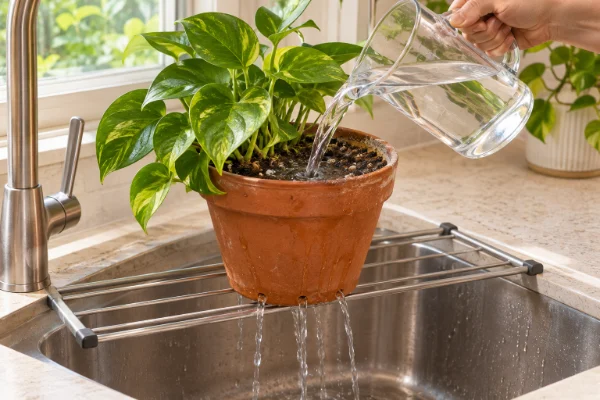
If you struggle with knowing exactly how much water to pour from the top, try bottom watering. Place your plant pot (which must have drainage holes) in a bowl of water for about 20 to 30 minutes. The soil will wick up exactly what it needs through capillary action. This is a fantastic way to let the plant dictate its own thirst levels!
How to Know if Your Method is Working
You'll know you are correctly reading the indoor plant watering signs when your plants respond positively. Look for firm, perky leaves that stand up proudly towards the light. Over time, you should also notice healthy new growth pushing through without the edges crisping up or turning mushy.
Common Mistakes and Obstacles
The biggest mistake I see is confusing yellow leaves for a lack of water. Usually, if the soil is wet and the leaves are turning soft and yellow, you are overwatering. If this happens, stop watering immediately, move the plant to a brighter spot, and let it dry out completely. Another obstacle is ignoring seasonal changes; plants drink much less during the darker, cooler winter months.
Additional Adjustments and Scenarios
Always adjust your watering habits based on the pot type. Terracotta pots are porous and wick moisture away, meaning plants in them dry out faster. Plastic or glazed ceramic pots retain moisture much longer. Also, if your plant is near a heating vent in winter, it might dry out faster than you expect, so keep a close eye on it.
Sometimes I have been asked this:
- How often should I check my plants? I recommend checking them twice a week, but that doesn't mean watering them twice a week. Just observe and do the finger test.
- Do all plants show the same signs of thirst? No. Succulents might get wrinkled leaves, while a peace lily will dramatically collapse. Get to know each plant's specific drama!
- Should I use tap water? Most resilient plants are fine with tap water, but sensitive ones like calatheas prefer filtered or distilled water to avoid brown tips from minerals.
- What if the soil is so dry it repels water? If the water pools on top and runs down the sides, the soil has become hydrophobic. Try bottom watering or gently poking holes in the soil with a chopstick to help the water penetrate.
- Is misting a substitute for watering? Absolutely not. Misting only temporarily increases humidity around the leaves; it does not provide moisture to the roots where the plant actually drinks.
Final Thoughts
Trust yourself and take the time to really observe your green companions. Stepping away from a rigid schedule and learning to read your indoor plant watering signs is the most empowering shift you can make in your plant care routine. Go check your soil right now, and happy growing!