Smartwatch vs Fitness Tracker for Everyday Health Habits
I still remember standing in the electronics aisle, staring at a wall of glowing screens on wrists, feeling completely overwhelmed. I just wanted something to help me monitor my sleep and daily steps, but I was suddenly faced with a choice between mini-smartphones and sleek, minimalist bands. If you are debating between a smartwatch and a fitness tracker for your everyday health features, you are certainly not alone. Both options offer incredible insights into our well-being, but they serve very different lifestyles. In this guide, I will help you navigate this decision so you can choose the device that truly supports your health journey without adding unnecessary stress or distractions to your day.
What to Consider Before You Buy
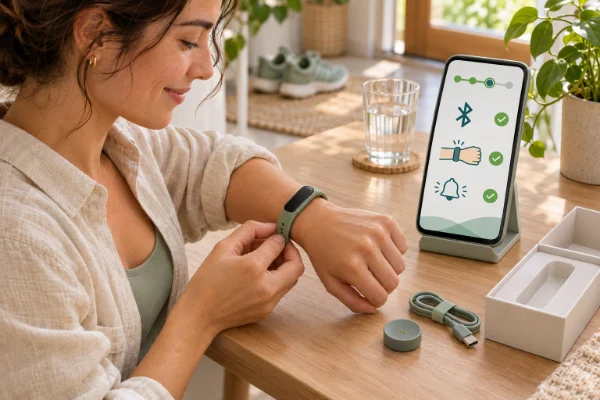
Before we compare the devices, take a moment to evaluate your current routine and what you realistically need. First, consider your budget; fitness trackers are generally more affordable, while smartwatches are an investment. Second, think about your wrist size and comfort preferences. If you have a small wrist or hate wearing bulky jewelry, a large watch might bother you while typing or sleeping. Finally, check your smartphone compatibility. Not all wearables play nicely with every phone operating system, so ensure your chosen device syncs seamlessly with your primary phone.
Comparing Your Wearable Options
To make the best choice, we need to look at the criteria, advantages, and limits of both options. Here is how they stack up for everyday health tracking.
The Smartwatch: Your Wrist-Based Assistant
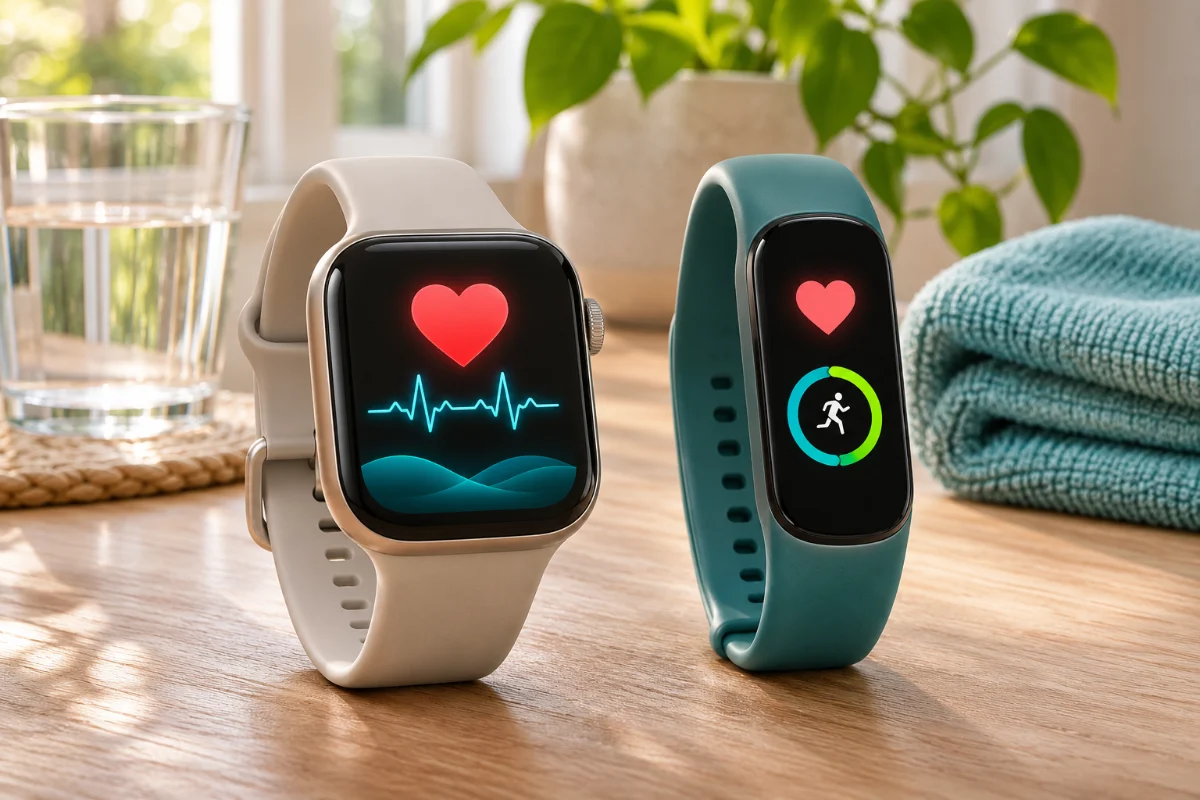
Smartwatches, like the Apple Watch or Samsung Galaxy Watch, are essentially extensions of your phone. They feature large, vibrant screens and support third-party applications.
- Advantages: They offer the most advanced health features, such as on-demand ECGs, fall detection, and deep integration with health apps. You can answer calls, reply to texts, and pay for groceries right from your wrist.
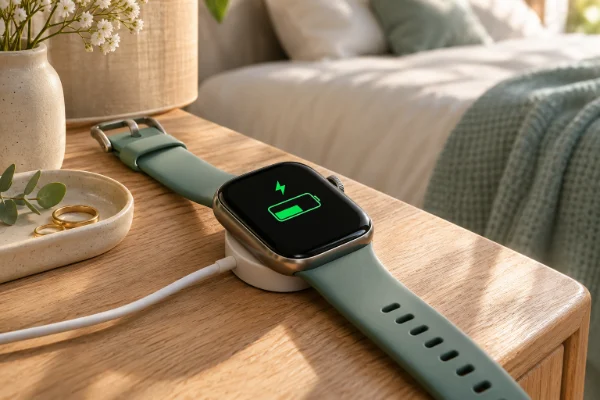
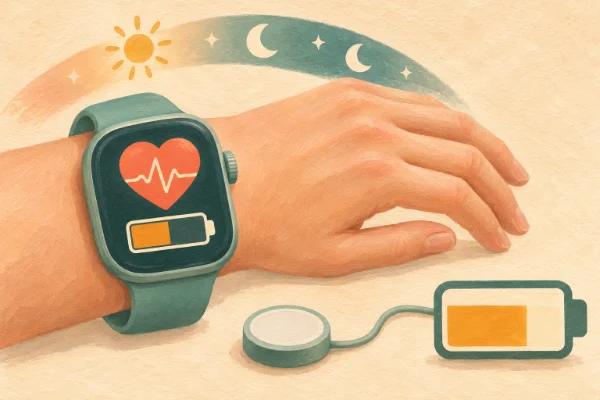
- Limits: The biggest drawback is battery life. Most smartwatches need to be charged every single day, which can easily disrupt your sleep tracking if you forget to charge it before bed. They are also bulkier and significantly more expensive.
The Fitness Tracker: Focused and Lightweight
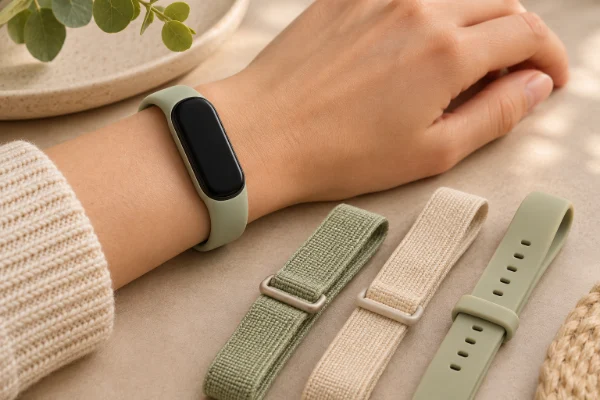
Fitness trackers, or bands, like the Fitbit Charge or Garmin Vivosmart, are designed specifically with health and activity in mind, keeping smart features to a minimum.
- Advantages: Their battery life is phenomenal, often lasting anywhere from five to ten days on a single charge. This makes them perfect for uninterrupted sleep tracking. They are lightweight, comfortable, and usually much kinder to your wallet.
- Limits: The smaller screen makes reading detailed health data directly on the device difficult; you will rely heavily on the companion phone app. They also lack advanced smart features like typing out text replies or taking phone calls.
An Alternative Approach: Hybrid Watches
If you dislike the look of digital screens altogether but still want the health data, there is a beautiful alternative: the hybrid smartwatch. These look like classic, elegant analog watches with physical ticking hands, but they contain hidden sensors inside. They track your heart rate, steps, and sleep, syncing everything quietly to your phone. It is a wonderful way to keep your health features discreet and maintain a professional or traditional aesthetic.
My personal tip: If you suffer from notification fatigue, lean toward a simple fitness tracker. When I first got a smartwatch, the constant buzzing of emails and texts on my wrist spiked my stress levels—the exact opposite of what health tech should do! Switching to a focused fitness band helped me reclaim my peace while still monitoring my daily wellness.
How to Know if You Made the Right Choice
You will know you have selected the right device when it seamlessly blends into your life rather than complicating it. If your chosen method is working, you will find yourself checking the app out of genuine curiosity rather than obsession. A successful pairing means the device holds a charge long enough for your needs, feels comfortable enough to wear overnight without irritation, and provides insights that gently encourage you to drink more water or take a walk, rather than making you feel guilty.
Frequent Obstacles and Realistic Solutions
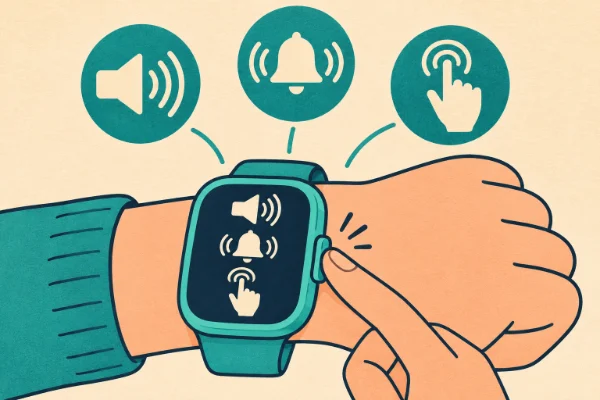
A common obstacle when getting a new smartwatch is battery anxiety. If you find your watch dying mid-afternoon, the solution is to build a charging habit tied to an existing routine, like charging it only while you shower and get ready in the morning. Another frequent error is leaving all default notifications on. If your wrist is buzzing every time someone likes a social media post, immediately go into the companion app and disable all notifications except for essential calls and calendar reminders.
Scenarios of Use for Everyday Life
Think about your daily environment. If your job requires you to be away from your desk and phone—like nursing, teaching, or retail—a smartwatch is incredibly useful for staying connected to urgent family messages without breaking phone policies. Conversely, if you work from home and are already staring at screens all day, a minimalist fitness tracker provides the health data you need without adding yet another screen to your visual environment.
Sometimes I have been asked this:
- Can a fitness tracker read my blood oxygen levels?
Yes, many modern fitness trackers now include SpO2 sensors to monitor your blood oxygen overnight, though smartwatches often present this data more comprehensively. - Do I need a data plan for a smartwatch?
Only if you buy a cellular version and want to use it away from your phone. GPS-only models just need to be near your connected phone to access the internet. - Which device is better for tracking menstrual cycles?
Both are excellent, provided they have a temperature sensor. The quality of cycle tracking depends more on the companion app (like Apple Health or Oura) than the screen size of the device. - Are fitness bands durable enough for swimming?
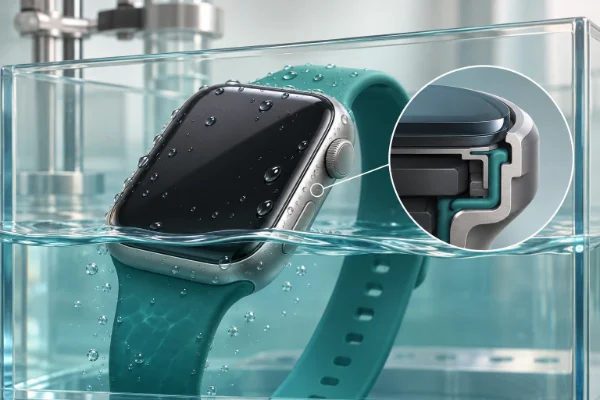
Most modern fitness trackers are water-resistant up to 50 meters, making them perfectly safe for swimming, showering, and sweating, but always check the specific ATM rating of the model. - Is it hard to switch from a fitness tracker to a smartwatch later?
Not at all. Most health data can be easily exported or synced to central hubs like Apple Health or Google Fit, so you will not lose your historical everyday health features if you upgrade.
A Final Thought on Your Decision
Whether you choose the comprehensive connectivity of a smartwatch or the focused simplicity of a fitness tracker, remember that the device is merely a tool. The most advanced health features in the world cannot replace the intuition of simply listening to your own body. Choose the wearable that fits your budget and brings you peace of mind, and let it gently guide you toward your best self.