Smart Rings vs Watches for Wellness
When I first started paying closer attention to my daily habits, I quickly realized that tracking my progress was essential. But I also discovered something else: I did not always want a glowing screen strapped to my wrist, especially during a quiet dinner or while trying to fall asleep. If you are reading this, you are likely looking for a way to monitor your health and daily movement without compromising your personal style or peace of mind. By the end of this article, you will understand the practical differences between smart rings and smartwatches, and you will be fully equipped to choose the discreet wellness tracker that seamlessly integrates into your unique lifestyle.
Understanding Discreet Wellness Tracking
Before we dive into comparing devices, it is helpful to clarify what we actually mean by discreet wellness tracking. For many of us, wellness is not about running ultramarathons; it is about maintaining a balanced life. We want to monitor our sleep cycles, our daily step count, our resting heart rate, and perhaps our stress levels throughout the workday. The goal is to gather valuable data to make better lifestyle choices, without letting the technology become a distraction.
To get started, consider your primary motivation. Are you looking to improve your sleep hygiene? Do you want gentle reminders to move during long hours at the office? Or are you aiming to track specific workouts like yoga, pilates, or cycling? Knowing your main priority will make choosing between a ring and a watch much easier. You should also consider your wardrobe and daily environment. If your day involves typing for eight hours, the physical feel of the device is just as important as its technical capabilities.
The Contenders: Smart Rings and Smartwatches
Let us explore how these two popular options perform in everyday life, focusing on aesthetics, comfort, and functionality.
The Elegance of Smart Rings
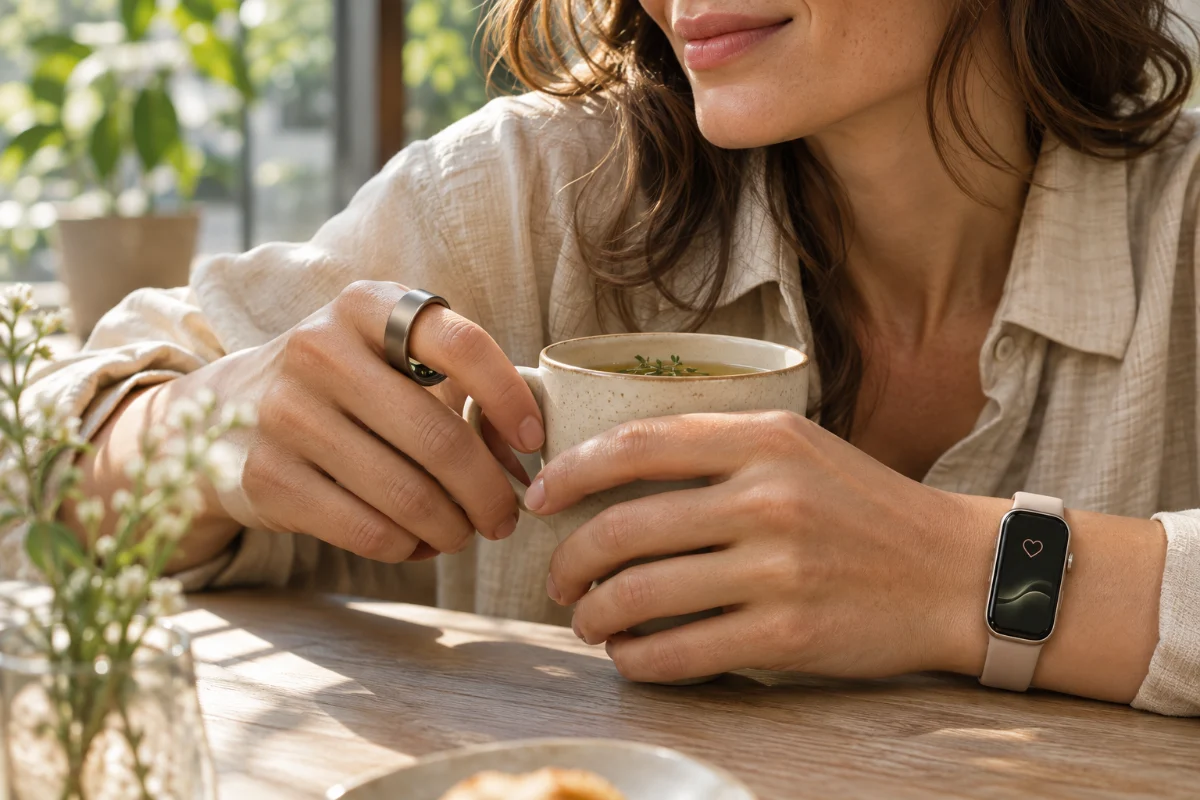
Smart rings have completely transformed the wearable tech landscape. A smart ring is exactly what it sounds like: a sleek, screen-free ring embedded with tiny sensors that measure your biometrics from the arteries in your finger. Personally, when I bought my first smart ring, I was amazed by how quickly I forgot I was wearing it. It looks just like a piece of minimalist jewelry.
- Comfort for Sleep: Because they lack a bulky face and a glowing screen, smart rings are phenomenal for sleep tracking. You can toss and turn without a screen lighting up the room or a heavy strap pressing into your wrist.
- Battery Life: Without a screen to power, many smart rings can last up to a week on a single charge. This means less time tethered to a charger and more consistent data.
- Limitations: The most significant limitation is the lack of real-time feedback. To see your step count or heart rate, you must open an app on your phone. If you like glancing at your wrist to check your progress mid-walk, a ring will not offer that instant gratification.
The Versatility of Smartwatches
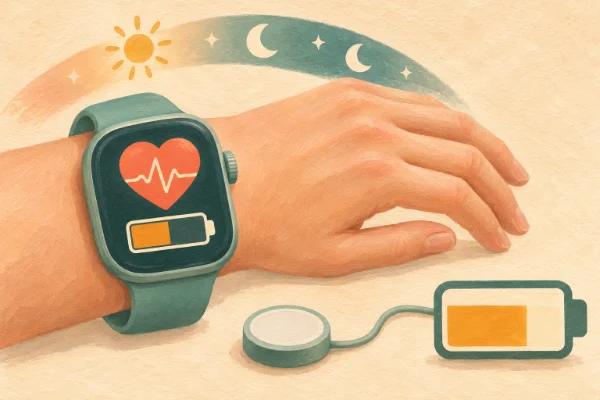
Smartwatches are the classic choice for a reason. They have evolved into highly sophisticated health companions. Modern versions offer incredibly detailed insights and the convenience of having your data instantly accessible.
- Real-Time Data: Whether you are in the middle of a stressful meeting and want to check your heart rate, or you are finishing a run and need to see your pace, a smartwatch gives you immediate answers.
- Actionable Reminders: Watches can provide a gentle haptic vibration on your wrist, reminding you to stand up, drink water, or take a deep breath. This proactive gentle nudge can be invaluable for building new habits.
- Limitations: They are undeniably visible. Even the most elegantly designed smartwatch still looks like a piece of technology. For formal events, or if you simply prefer traditional analog timepieces, a smartwatch might clash with your aesthetic. Furthermore, the battery life often maxes out at a day or two, requiring a strict charging routine.
An Alternative Approach: Hybrid Options
If you find yourself torn between the invisible nature of a ring and the visual feedback of a watch, there is an alternative. Hybrid smartwatches combine the analog look of a traditional watch—complete with physical ticking hands—with hidden sensors beneath the surface. They connect to your phone to sync your health data, but to the outside world, they just look like a beautiful, classic timepiece. This is a wonderful middle ground if you want something discreet but still enjoy wearing a watch.
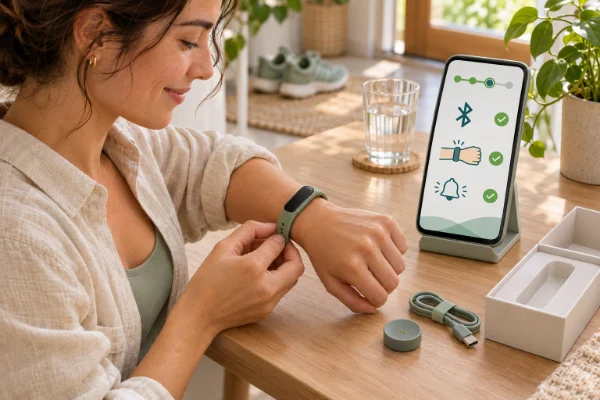
My personal tip: If you decide to go with a smart ring, I highly recommend wearing it on your index or middle finger rather than your ring finger. I found that this provides the most accurate sensor readings, and it feels much more balanced when typing or carrying bags. Also, always take advantage of the sizing kits that companies send before finalizing your ring purchase; your finger size fluctuates more than you might think throughout the day!
How to Know You Made the Right Choice
How can you tell if the device you chose is genuinely working for you? The clearest indicator is consistency. If you find yourself wearing the tracker every single day without feeling annoyed by it, you have found a winner. Another observable sign is how you interact with the data. If you are making small, positive changes—like going to bed fifteen minutes earlier because your device showed a lack of deep sleep, or taking a short evening walk to hit your activity goal—then the technology is fulfilling its purpose. It should feel like a supportive companion, not a demanding taskmaster.
Common Obstacles and Solutions
Integrating a new piece of technology into your life rarely happens without a small learning curve. Here are a few common hurdles you might face:
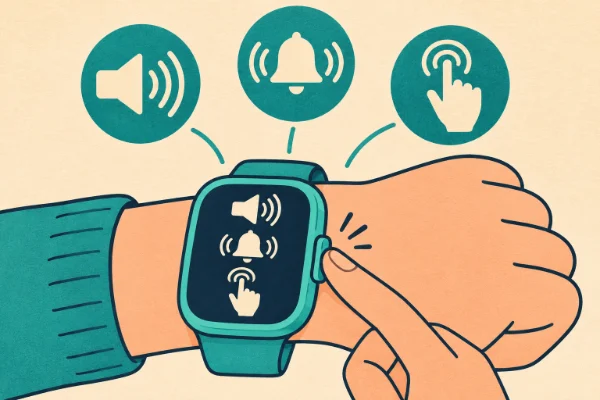
- Obstacle: Notification Fatigue. If you choose a smartwatch, you might initially feel overwhelmed by every text, email, and social media alert buzzing on your wrist. Solution: Spend fifteen minutes in the settings menu turning off everything except essential calls or text messages. Treat your watch as a wellness tool first, and a communication device second.
- Obstacle: Sizing Discomfort. With smart rings, hands can swell during exercise, flight travel, or warm weather, making the ring feel restrictive. Solution: When using the sizing kit, wear the plastic test ring for a full 24 hours, including during a workout and overnight, to ensure it remains comfortable during natural finger swelling.
Adjustments and Daily Scenarios
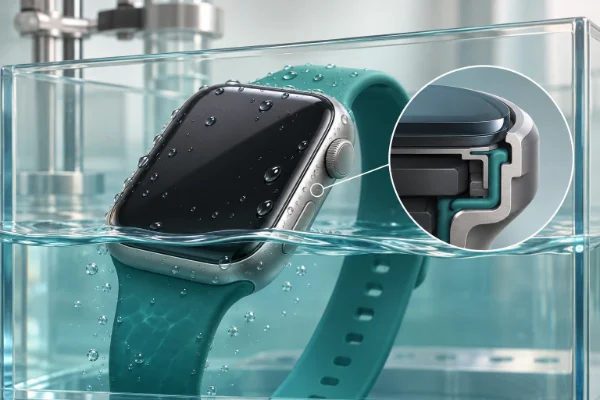
Your lifestyle dictates how you should wear your technology. If you are an avid swimmer, always verify the specific water resistance rating of your device; many smart rings and watches are swim-proof, but they are not meant for high-velocity water sports or hot saunas. If your job requires frequent hand washing or wearing gloves (like in healthcare or culinary arts), a smartwatch or a bicep-band tracker might be more practical and hygienic than a ring. Adjust your choice to fit your daily reality, rather than changing your reality to fit the device.
Sometimes I have been asked this:
1. Are smart rings as accurate as watches?
Yes, for resting metrics like heart rate, body temperature trends, and sleep stages, smart rings are highly accurate. In fact, measuring from the finger can sometimes yield clearer signals than the wrist. However, for intense, high-movement cardio workouts, smartwatches tend to track heart rate spikes more reliably.
2. Can I wear a smart ring while lifting weights?
It is generally not recommended to wear a smart ring while gripping heavy metal dumbbells or barbells. The pressure can scratch the ring, damage the internal sensors, or cause pinching on your finger. I suggest slipping it off and keeping it in your gym bag during heavy lifting sessions.
3. Do smart rings require a monthly subscription?
It depends on the brand. Some popular smart rings require a monthly subscription fee to access your detailed health data and personalized insights within their app. Always check the ongoing costs before making a purchase, as there are excellent alternatives on the market that do not require subscriptions.
4. Which is genuinely better for sleep tracking?
From a comfort standpoint, the smart ring is almost universally preferred for sleep tracking. Its lightweight, screenless design makes it easy to forget you are wearing it, which leads to less disrupted sleep compared to wearing a heavy watch to bed.
5. Can I use both devices simultaneously?
You can, but it is rarely necessary and can complicate your data. Most health apps struggle to merge data from two different devices accurately, often resulting in double-counted steps or conflicting sleep scores. It is best to choose one primary device that suits your overall lifestyle.
Final Thoughts on Your Wellness Journey
Choosing between a smart ring and a smartwatch ultimately comes down to knowing yourself. If you value a minimalist aesthetic, uninterrupted sleep, and seamless integration into a dressier wardrobe, the smart ring is a beautiful choice. If you prefer real-time motivation, on-wrist notifications, and detailed workout tracking, the smartwatch remains unmatched. Whichever path you take, remember that the most valuable data is the kind that empowers you to feel more rested, energetic, and present in your daily life. Choose the tool that feels natural to you, put it on, and take that next step forward.