Health Tech for Beginners: Beyond Step Counting
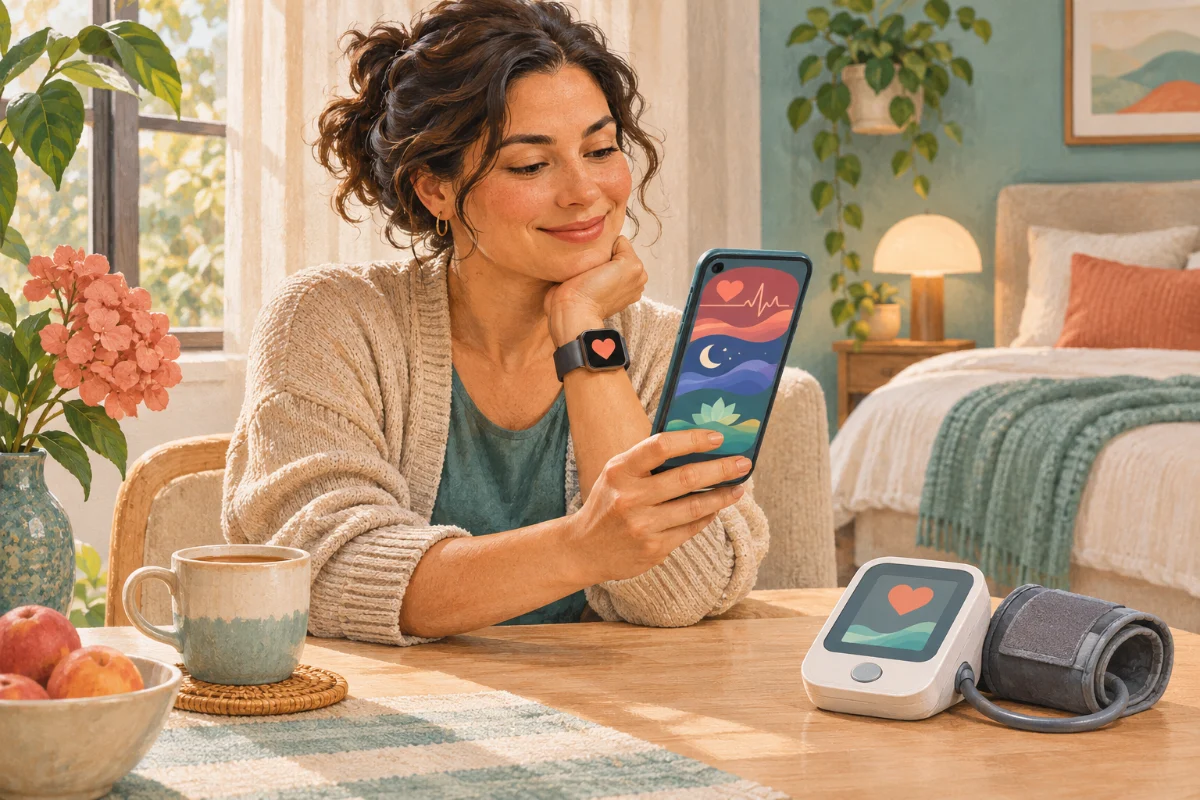
I still remember the day I bought my first activity tracker. Like many of us, I was obsessed with seeing that little digital firework display on my wrist when I hit 10,000 steps. It felt like a daily victory. But over time, I realized that true well-being is about so much more than just putting one foot in front of the other. If you have been wondering how to get more out of your smartwatch or fitness band, you are in the right place. In this guide on health tech for beginners, you will learn how to look beyond step counting to understand your sleep architecture, monitor stress metrics, and align your routines with your body's natural rhythms. My goal is to help you transform overwhelming data into actionable, gentle insights for your everyday life.
What You Need Before We Begin
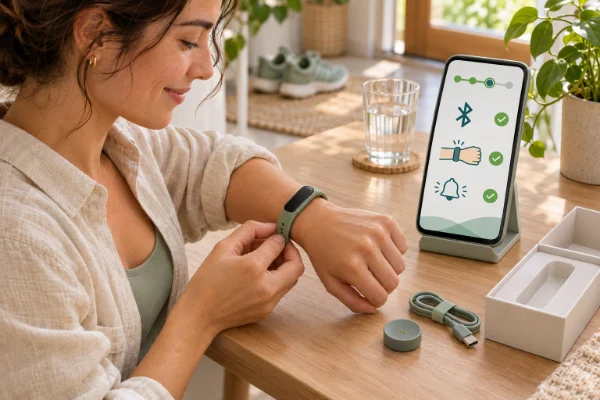
Before diving into the numbers, let us set the stage. You do not need the most expensive or advanced medical-grade equipment to start. A basic modern wearable—whether it is a smartwatch or a dedicated fitness band—paired with your smartphone is more than enough. However, the most important requirement is a shift in mindset. We are gathering this data to listen to our bodies, not to judge ourselves. Please remember that I am sharing my personal journey and research; these devices are wonderful for wellness and tracking trends, but they do not replace professional medical advice from your doctor.
Your Step-by-Step Guide to Holistic Health Tracking
Let us explore the core features of your device that can truly elevate your daily well-being. Here is how I recommend you start exploring your health tech.
- Decode Your Sleep Architecture: We often think that spending eight hours in bed means we got eight hours of rest, but the quality of that sleep matters profoundly. Most modern wearables track your sleep stages: Light, Deep, and REM (Rapid Eye Movement). Deep sleep is when your body physically repairs itself, while REM sleep is crucial for emotional regulation and memory. Start checking your app each morning to see how much deep and REM sleep you are getting. If your deep sleep is consistently low, try cooling your bedroom down a few degrees or stopping caffeine earlier in the afternoon.
- Track Your Cycle and Basal Temperature: If you menstruate, your cycle is essentially your fifth vital sign. Many modern smartwatches and wearables now feature temperature sensors that track your basal body temperature overnight. This subtle shift in temperature can help you identify where you are in your cycle, allowing you to adapt your workouts and workload. During my luteal phase, my resting heart rate naturally rises, and my energy dips. Instead of pushing through a high-intensity workout, I now use my health tech to validate my need for yoga and extra rest.
- Understand HRV (Heart Rate Variability): This sounds intimidating, but it is one of my favorite metrics. Heart Rate Variability (HRV) simply measures the variation in time between each of your heartbeats. Unlike your resting heart rate, you actually want your HRV to be higher. A higher HRV means your nervous system is balanced and ready to adapt to stress. A suddenly low HRV is often your body's early warning sign that you are fighting off a cold, stressed, or overtrained.
An Alternative Approach: Screen-Free Tracking
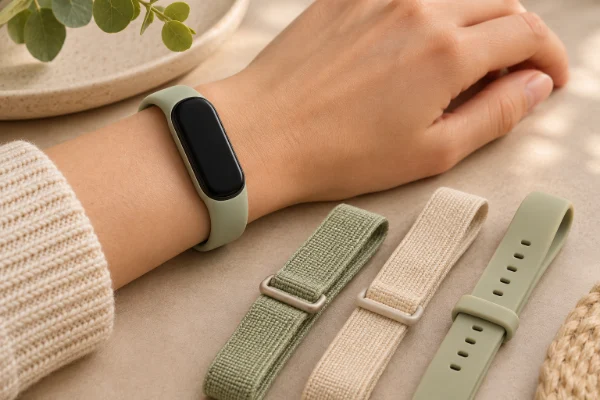
I know that wearing a screen on your wrist 24/7 can feel overwhelming for some women. If you want the benefits of health tech without the constant notifications, consider screen-free alternatives. Smart rings are an elegant, unobtrusive way to track sleep, HRV, and temperature without distracting you during the day. Alternatively, you can use under-mattress sleep tracking mats that passively monitor your rest without you having to wear anything at all. The best health tech is the one that seamlessly fits your lifestyle.
My personal tip: Focus on weekly trends rather than daily panic. When I first started tracking my HRV and sleep scores, one "bad" night of data would ruin my entire morning. I learned the hard way that our bodies are not machines. Now, I only look at my weekly averages. If my numbers are trending downward over five to seven days, I make a gentle lifestyle adjustment. Give yourself grace.
How to Know if This Method is Working
You will know that you are successfully using health tech for beginners when you start anticipating your body's needs before checking your app. The true sign of success is not a "perfect score" on your device. Instead, it is observable in your daily life: you might notice you are less irritable because you prioritized rest on a low-HRV day, or you feel more productive because you scheduled your most demanding work during the high-energy phase of your cycle. The technology should act as a mirror, confirming the physical cues you are already feeling.
Common Obstacles and Realistic Solutions
One of the most frequent errors I see—and one I experienced myself—is called orthosomnia, which is an unhealthy obsession with getting perfect sleep metrics. If you find yourself lying awake at night stressing about your sleep score, the technology is working against you. The solution: Take a tech detox weekend. Take off your tracker from Friday night to Monday morning to recalibrate your intuition. Another common obstacle is trusting the device more than yourself. If your watch says you are fully recovered but you feel utterly exhausted, always listen to your actual physical fatigue.
Further Tips and Scenarios of Use
As you get more comfortable with these metrics, try using them for specific lifestyle adjustments. For instance, if you are adjusting to a new time zone or dealing with jet lag, use your sleep architecture data to strategically time your sunlight exposure and caffeine intake. If you are starting a new job or going through a stressful period, keep a close eye on your resting heart rate; a steady elevation over a few weeks is a gentle nudge to incorporate five minutes of deep breathing into your morning routine.
Sometimes I have been asked this:
- Do I need an expensive, top-tier smartwatch to track these metrics?
Not at all. Many mid-range fitness bands now include accurate heart rate monitoring, sleep staging, and basic temperature tracking. Start with something accessible before investing in premium models. - Is the calorie burn on my tracker accurate?
No, calorie trackers are estimates based on algorithms. I highly recommend using your wearable to track trends in effort and consistency rather than obsessing over exact calorie counts. - Can health tech diagnose an illness or medical condition?
Absolutely not. While sudden changes in your metrics can indicate that you might be getting sick, these devices are not diagnostic tools. Always consult a healthcare professional for medical concerns. - What is the single most important metric to track for overall wellness?
If I had to choose one, it would be sleep quality. Good sleep is the foundation for a healthy HRV, balanced hormones, and daily energy. - How often should I look at my data?
I recommend checking your sleep and recovery metrics once in the morning to inform your day, and then ignoring the app until the next morning. Constant checking can spike anxiety, which paradoxically ruins your metrics!
A Final Thought on Your Wellness Journey
Embracing health tech is not about achieving numerical perfection; it is about building a deeper, more compassionate relationship with your body. Use these tools to validate your need for rest, to celebrate your resilience, and to navigate your days with a little more clarity. You are the ultimate boss of your well-being, and the technology is simply there to support you on your unique, beautiful journey.