Choosing a Wearable for the Data You Need
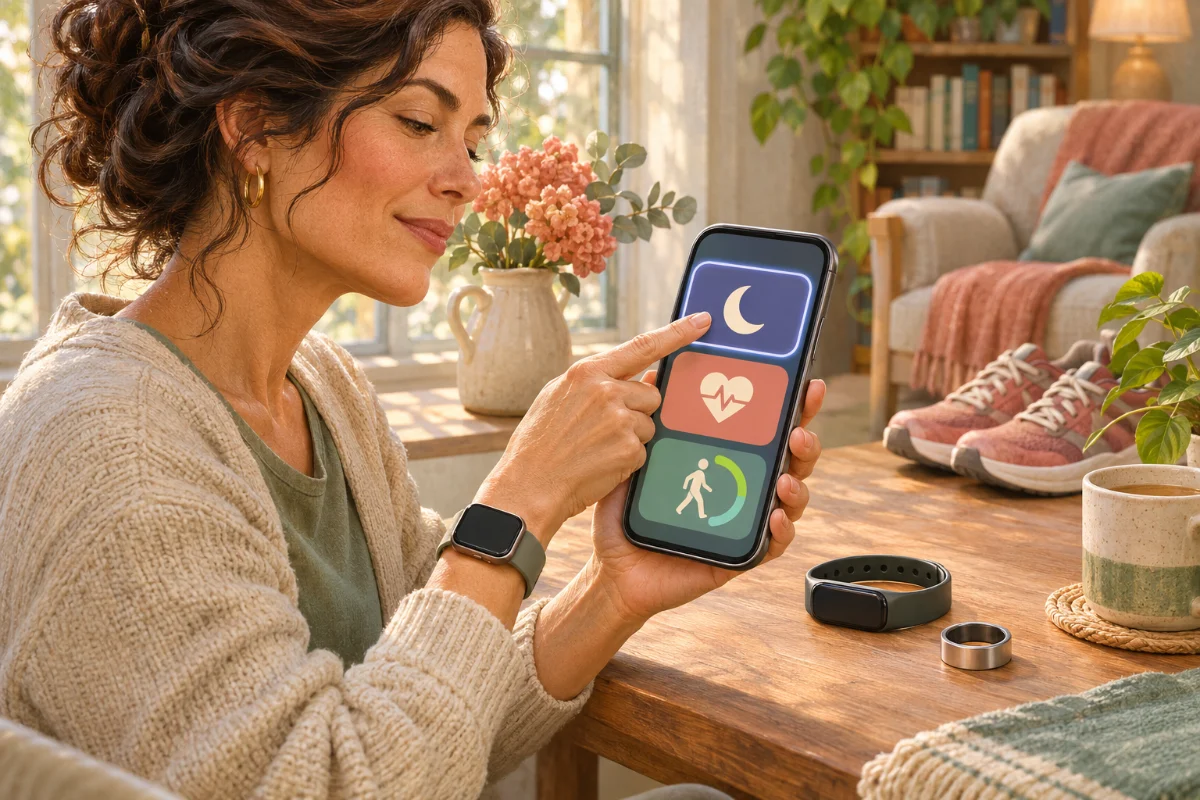
Let’s be completely honest: the first time I bought a smartwatch, I was absolutely convinced I needed it to track my blood oxygen, ECG, and VO2 max. I read all the technical specs and felt that more data would automatically translate to better health. Fast forward three months, and I was only using it to check my daily steps and read text messages during meetings. If you are feeling overwhelmed by the sheer number of features in modern fitness trackers, you are not alone. In this guide, you will learn how to identify the exact health metrics that truly matter to your personal routine, allowing you to choose a device that supports your goals without complicating your life. Choosing a wearable should be about empowerment and gentle guidance, not data overload or unnecessary anxiety.
What You Need Before Starting
Before you start adding shiny new items to your online shopping cart, take a moment to pause. You do not need to be a tech expert to make a smart, informed purchase. All you need is a notebook, a pen, and a clear, honest understanding of your current lifestyle. Sit down and ask yourself: What am I trying to improve right now? Is it the quality of my sleep, my daily movement, my cardiovascular endurance, or my stress levels? Having a clear primary goal is the most important requirement before navigating the vast sea of available fitness bands and smartwatches. Keep in mind that a bigger budget does not always mean a better fit for your specific needs. Sometimes, the most expensive watch is the most complicated, which can actually deter you from using it consistently.
Step-by-Step: Finding Your Perfect Match
To make this decision process as smooth and practical as possible, I have broken it down into actionable steps. Follow these carefully to ensure you are choosing a wearable that genuinely aligns with your daily reality and long-term wellness vision.
- Identify your core health goal: Decide if you want to move more, sleep better, manage daily stress, or train for a specific athletic event. Focus strictly on that one main objective to avoid feature distraction.
- Match the goal to the right data: If your goal is waking up more rested, prioritize devices renowned for accurate sleep tracking, sleep staging, and overnight temperature monitoring. If your goal is to run your first 5K, look for built-in GPS and accurate heart rate zones.
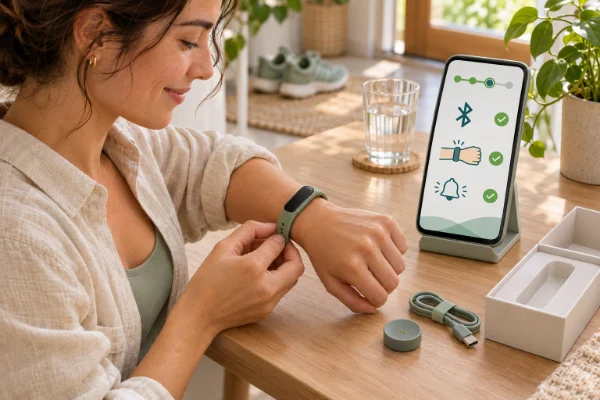
- Evaluate the companion app: The physical device collects the data, but the app on your smartphone is where you will actually read and interpret it. Look for apps with a clean, intuitive, and female-friendly interface that clearly explains what the numbers mean. Read reviews about the app's privacy policies to ensure your fitness tracker data is securely stored.
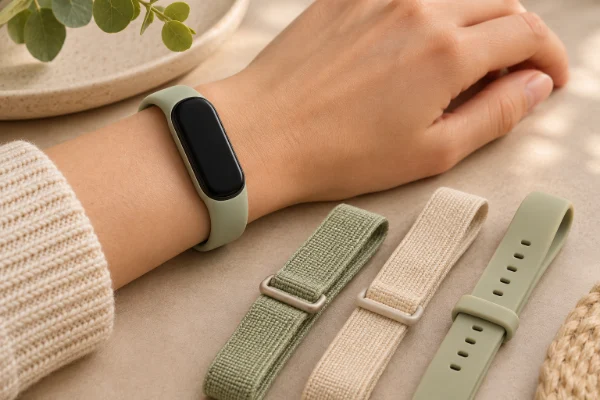
- Assess your aesthetic and comfort preferences: A tracker only works if you actually wear it. Decide if you prefer a sleek, jewelry-like band, a sporty silicone aesthetic, or a classic watch look. Comfort is paramount, especially if you plan to wear it overnight.
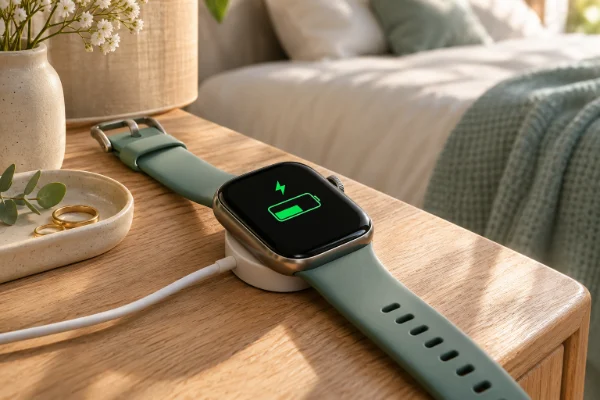
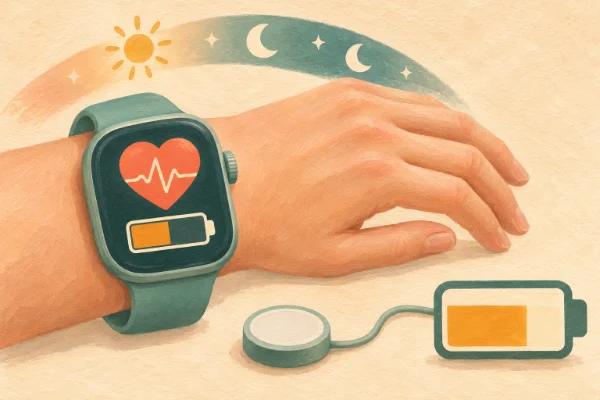
- Weigh battery life against features: Devices with constant, high-definition displays and continuous health monitoring usually require daily charging. If you are someone who hates charging gadgets, opt for a simpler tracker with a basic display that can easily last a week or more on a single charge.
An Alternative Approach
If you are still unsure if a dedicated fitness tracker is the right choice for you, I highly recommend trying the minimalist route first. Use the built-in health application on your smartphone to track your steps for two straight weeks. Keep the phone in your pocket during your daily activities. While this method will not capture your heart rate or track your sleep accurately, it will show you whether you actually enjoy checking your health metrics and modifying your habits based on those numbers. If you find the simple step tracking motivating and engaging, you have proven to yourself that you are ready to invest in a dedicated wearable device.
My personal tip
My personal tip: Do not check your sleep score the exact minute you open your eyes. Spend the first half hour of your morning stretching, hydrating, and listening to how your body actually feels. Use the data as a helpful reference later in the day, not as the ultimate judge of your energy levels. Let the technology support your intuition, not override it.
How to Know if Your Choice is Working
You will know you have made the right choice when the device blends seamlessly into your everyday routine without causing friction. If you are checking the app a few times a week, making small, positive adjustments (like taking a ten-minute walk after dinner because you noticed your step count was unusually low), and feeling motivated rather than stressed, the tracker is doing its job beautifully. The ultimate sign of success is that the data gently leads to sustainable habit changes, rather than making you feel guilty for missing a goal.
Common Mistakes and How to Avoid Them
One of the most frequent errors I see is overspending on metrics meant for professional athletes. Unless you are training for a triathlon or marathon, you probably do not need advanced recovery times, vertical oscillation, or cadence tracking. Paying for these features often leads to buyer's remorse. Another huge obstacle is comfort. I once bought a beautiful, chunky smartwatch for women that looked fantastic in the office but was far too bulky and heavy to wear to bed, which completely ruined my goal of improving my rest. Always check the physical dimensions of the watch face and read reviews from other women with smaller wrists to ensure it will be comfortable for 24/7 wear.
Adjustments and Usage Scenarios
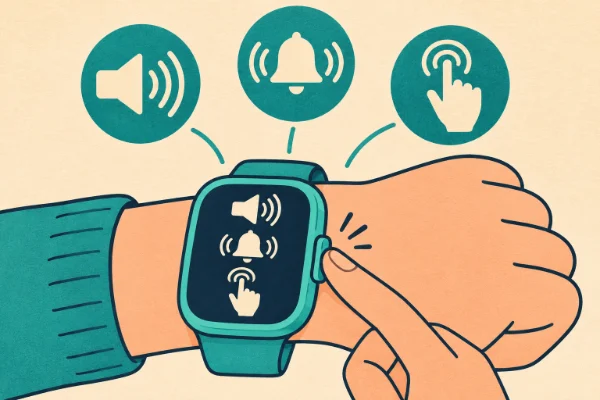
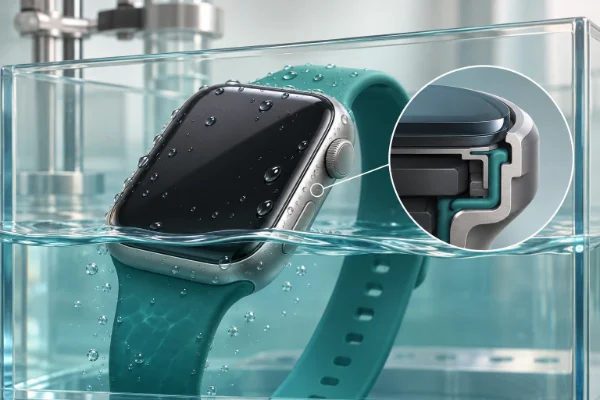
Consider exactly how the wearable will fit into different parts of your unique life. If you are an avid swimmer or just love relaxing in long baths, verify the ATM water resistance rating—do not settle for basic splash resistance. If your primary focus is mental wellness and anxiety management, look for devices offering continuous EDA (electrodermal activity) sensors or HRV (heart rate variability) tracking to help manage daily stress levels. Remember that you can, and should, customize the notifications on your device. Turning off email, calendar, and social media alerts on your wrist is an absolute game-changer for protecting your peace and keeping the focus solely on your well-being.
Sometimes I have been asked this:
1. Do I really need a smartwatch for women specifically?
Not necessarily, but many modern brands now offer smaller watch faces and bands specifically tailored for narrower wrists, as well as integrated menstrual cycle tracking right on the device, which can be incredibly useful for understanding your overall energy patterns throughout the month.
2. Are the calorie counters on these devices accurate?
They are best used as general estimates rather than exact, medical-grade science. They provide a helpful baseline to show if you burned more energy today than yesterday, but I strongly recommend not obsessing over the precise numbers when planning your meals.
3. Can I wear my tracker on my ankle to count steps at a standing desk?
Most standard trackers are calibrated specifically for wrist movement and arm swing. Wearing it on your ankle might give you a better step count if your arms are stationary, but it will likely confuse the heart rate algorithms and sleep staging features.
4. How often should I upgrade my wearable?
A quality device should easily last you between three to five years. Unless your current tracker stops holding a charge for a full day, physically breaks, or no longer syncs reliably with your smartphone's operating system, there is really no need to upgrade for every new annual release.
5. Are the default bands safe for sensitive skin?
Many default silicone bands can trap sweat and moisture, leading to contact dermatitis or irritation. If you have sensitive skin, I highly recommend swapping the standard band for a breathable nylon, soft woven, or perforated alternative right away.
Taking the Next Step
Technology is a wonderful, empowering tool when it serves your specific, clearly defined needs. By taking the time to honestly match a device's features with your actual lifestyle and goals, you ensure that your financial investment will inspire you daily rather than collecting dust in a drawer. Grab that notebook, define your core health objective today, and start choosing a wearable that feels like a supportive, encouraging friend on your personal wellness journey.