AI Capabilities and Limitations Before Your First Project

I will never forget the mix of excitement and sheer panic I felt right before launching my first major project integrating artificial intelligence. I had read all the headlines promising that AI would magically run my business while I sipped coffee, but the reality of actually implementing it felt daunting. As female founders and leaders, we are constantly looking for ways to scale our impact without burning out, and AI seems like the perfect solution. However, jumping in blind is a recipe for frustration. Today, I want to walk you through a realistic look at AI capabilities and limitations so you can step into your very first AI-driven project with clarity, confidence, and a strategy that actually works.
The Superpowers: What AI Excels At
To get the most out of your first project, you need to assign the AI tasks it is inherently good at. Think of AI as your tireless, hyper-analytical intern. Its greatest capability is processing massive amounts of information at lightning speed. If you have a spreadsheet with five years of customer feedback, an AI can analyze the sentiment and spot recurring trends in seconds—a task that would take a human days.
AI is also exceptionally gifted at overcoming the "blank page" syndrome. Whether you need a draft for a standard operating procedure, a list of catchy email subject lines, or an outline for a presentation, generative AI can provide a solid foundation. It thrives on pattern recognition and replication. When you need to automate repetitive, data-heavy, or rigidly structured tasks, artificial intelligence will absolutely shine and free up hours of your weekly schedule.
The Boundaries: What AI Cannot Do
Here is the truth that many tech evangelists gloss over: AI does not actually "think" or feel. Understanding what AI cannot do is arguably more important than knowing what it can. One of the biggest limitations of artificial intelligence is its complete lack of emotional intelligence, empathy, and lived experience. If you are dealing with a delicate customer service issue or negotiating a nuanced contract, relying entirely on AI will make your brand feel robotic and tone-deaf.
Furthermore, AI lacks true strategic vision and real-world context. It only knows what is in its training data and the specific prompt you feed it. It cannot read the room, understand subtle shifts in your industry's culture, or intuitively know that a suggested marketing strategy misaligns with your core brand values. Finally, we must always remember the "hallucination" factor. AI can and will present factually incorrect information with absolute confidence. It is a predictive engine, not an infallible encyclopedia.
Designing Your First AI Pilot Project
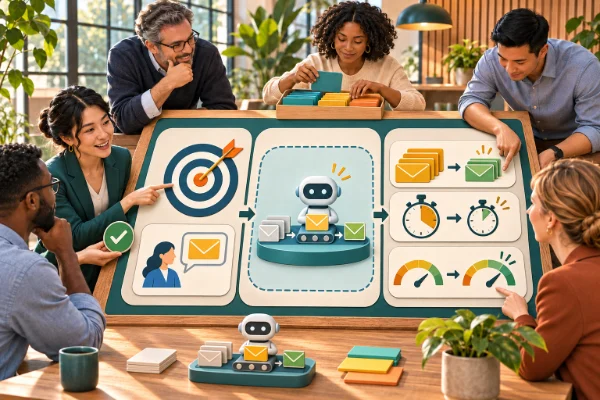
Now that we have established a realistic baseline, how do you actually start? My biggest piece of advice is to start small. Do not try to overhaul your entire business operations overnight. Choose a "pilot project" that is low-risk but high-effort. For example, use AI to help you draft a month's worth of social media captions, or have it summarize your weekly team meeting transcripts into actionable bullet points.
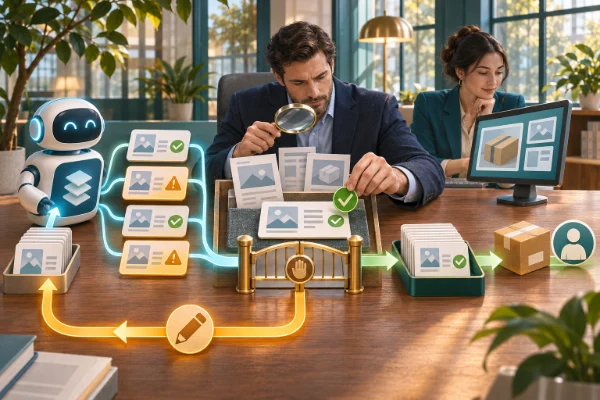
Set up a workflow where the AI does the initial heavy lifting, but you or a team member always remain the final editor. This is called keeping a "human in the loop." By designing a project that leverages AI for speed and data processing, but relies on human judgment for nuance and final approval, you protect your brand's integrity while still reaping the benefits of automation.
Stepping Forward with Confidence
It is perfectly normal to feel a bit hesitant about integrating new technology into your hard-earned business. But by understanding the true AI capabilities and limitations, you remove the mystery and take back the control. Artificial intelligence is not here to replace your unique vision, your leadership, or your voice. It is simply a powerful tool designed to clear the administrative brush so you can focus on the big picture. Embrace it as a digital collaborator, set clear boundaries for your first project, and watch how much creative energy you get to reclaim.