Perfect Lemon Herb Roast Chicken
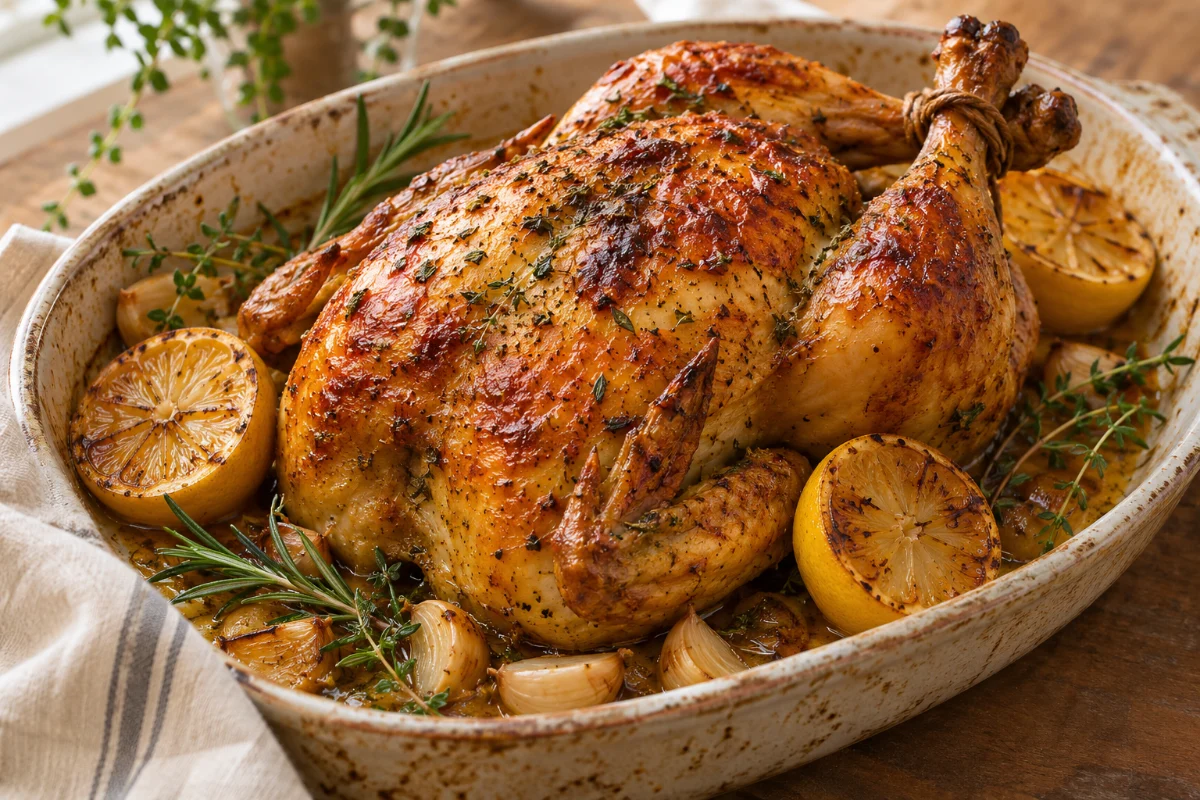
For years, the thought of roasting an entire chicken completely intimidated me. I would stare at the whole birds in the grocery store, convince myself I did not have the time or the culinary skills, and inevitably reach for the pre-cooked rotisserie option. But as I became more intentional about my budget and my family's nutrition, I realized that mastering a lemon herb roast chicken was a necessary milestone. Today, I am going to teach you my foolproof method for achieving incredibly juicy meat and that coveted crispy golden brown skin. This is not just a recipe; it is an empowering, foundational skill that will transform your weekend cooking routine.
Why Roasting a Whole Bird is Empowering
There is something deeply satisfying about pulling a beautifully browned, aromatic roast chicken out of your own oven. Beyond the immediate sense of accomplishment, roasting a whole bird is one of the smartest organizational habits you can adopt for your weekly meal prep. It provides a substantial amount of high-quality protein that can be repurposed into salads, wraps, and soups for days. By taking control of the cooking process, you also dictate exactly what goes into your food—no hidden sodium, no refined seed oils, and no artificial preservatives.
The Secret to Crispy Golden Brown Skin
The most common frustration I hear from clients and friends is ending up with pale, rubbery skin. The absolute secret to a truly crispy roast chicken recipe comes down to moisture management. Before you even think about seasoning, you must thoroughly dry the bird. I use several paper towels to pat the chicken completely dry, both inside the cavity and all over the exterior. If you have the time, leaving the unwrapped, dried chicken in the refrigerator for a few hours (or even overnight) allows the cold air to pull out even more surface moisture. When that perfectly dry skin hits the high heat of the oven, it crisps up magnificently instead of steaming.
Building Flavor with Lemon and Herbs
To achieve a flavor profile that tastes vibrant and sophisticated, we need to season the bird in intentional layers. We are going to use a compound herb butter and fresh aromatics.
- Fresh Lemons: We will halve these and stuff them directly into the cavity. As the chicken roasts, the lemon juice turns to steam, infusing the meat with bright citrus flavor from the inside out.
- Fresh Rosemary and Thyme: These woodsy, aromatic herbs pair perfectly with poultry. We will use chopped herbs in the butter and stuff the whole sprigs inside the bird.
- Garlic: A whole head, halved crosswise, adds a sweet, mellow, roasted garlic essence.
- Softened Butter: Rubbing herb butter under the skin directly onto the breast meat ensures it stays incredibly moist, while a light coating of olive oil on the outside promotes beautiful browning.
Step-by-Step Roasting Guide
Do not let the steps intimidate you. Once you do this once, it becomes second nature.
- Preheat the Oven: Set your oven to a hot 425°F (220°C). Starting at a high temperature jump-starts the skin-crisping process.
- Prepare the Chicken: Pat the bird completely dry. Carefully run your fingers under the skin of the chicken breasts to separate it from the meat. Rub your softened herb butter directly onto the meat under the skin.
- Stuff and Tie: Generously salt and pepper the main cavity, then stuff it with your halved lemons, fresh herb sprigs, and garlic. Tie the legs together with kitchen twine to ensure it cooks evenly and retains its shape.
- Season the Exterior: Brush the outside of the dry skin lightly with olive oil and season generously with coarse sea salt and cracked black pepper.
- Roast: Place the chicken breast-side up in a roasting pan or a large cast-iron skillet. Roast for 15 minutes at 425°F, then reduce the heat to 375°F (190°C) and continue roasting for about an hour, or until a meat thermometer inserted into the thickest part of the thigh reads 165°F (74°C).
The Golden Rule of Resting
Please, do not let your hard work go to waste by carving the chicken immediately! When you pull it from the oven, transfer it to a clean cutting board and tent it loosely with aluminum foil. Let it rest for at least 15 to 20 minutes. This mandatory resting period allows the intense heat to subside and the juices to redistribute evenly throughout the muscle fibers. If you cut into it too soon, all those delicious juices will spill out onto your board, leaving you with dry meat.
Learning to roast a chicken might feel like a major project at first, but it quickly becomes a comforting, grounding routine. The incredible aroma that fills your home and the satisfaction of serving a truly beautiful, wholesome meal is worth every single minute of effort. You have the capability to create extraordinary food in your own kitchen. Enjoy this wonderful healthy sunday dinner!